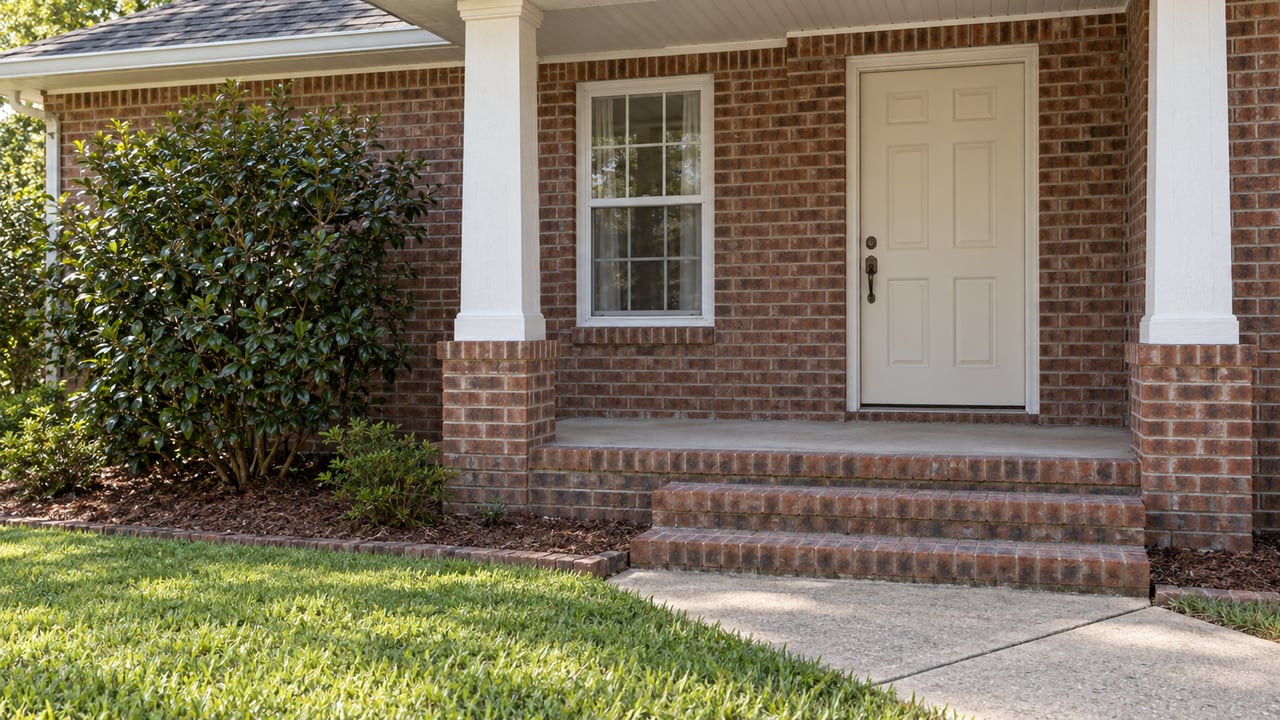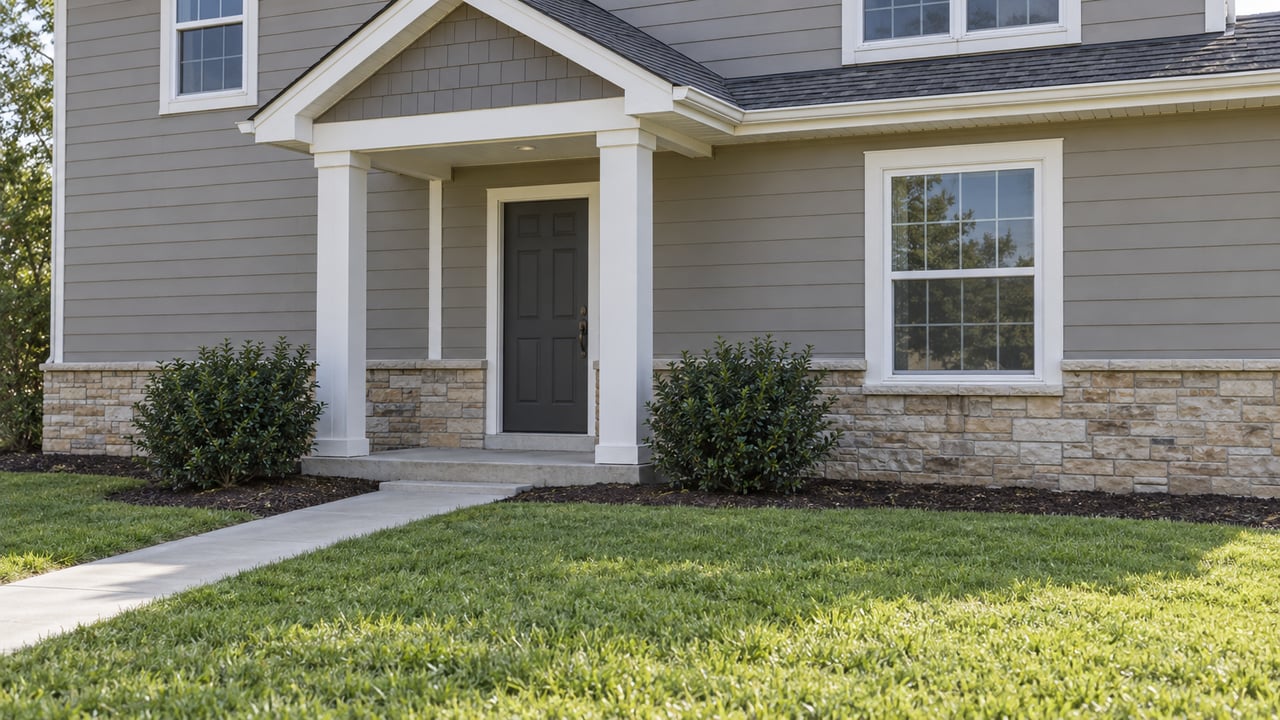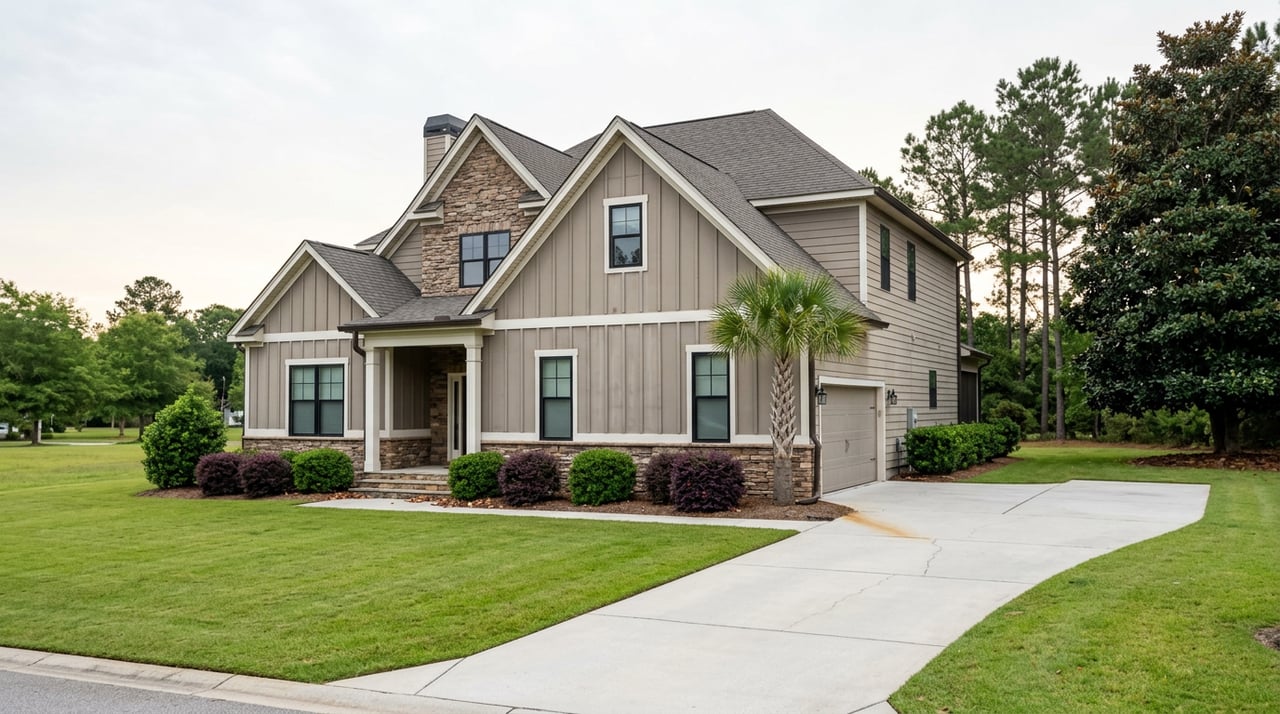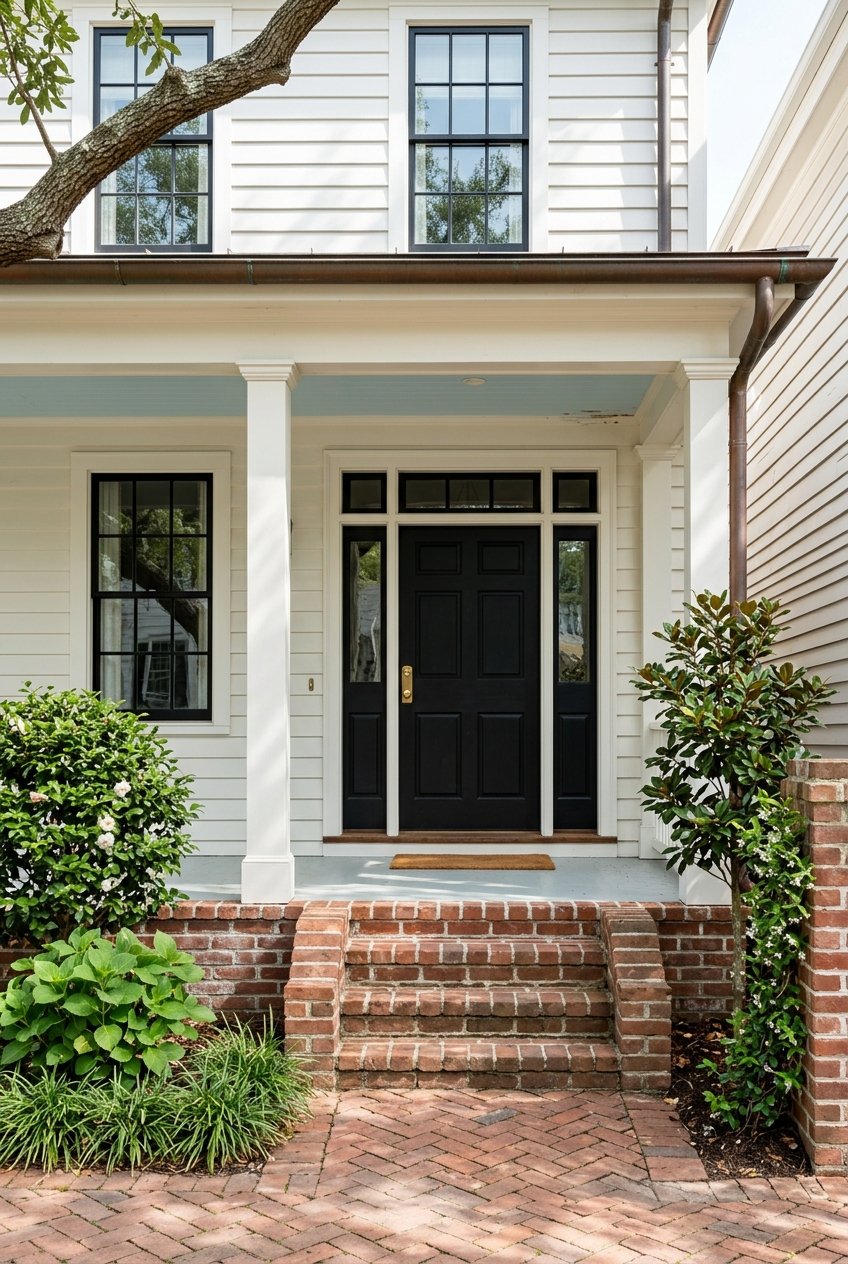
Thinking about buying a historic home in Savannah? It is easy to fall for the tall windows, original details, and sense of place, but charm is only part of the story. If you are considering one of these properties, you need to understand how local historic rules, inspection risks, flood concerns, and renovation timelines can affect your purchase. This guide will help you know what to check before you buy and what to expect after closing. Let’s dive in.
Why Savannah historic homes are different
Savannah’s historic housing stock stands out for its age, architecture, and setting, but the buying process is also shaped by local rules. Not every older home is regulated in the same way, and not every historic label means the same thing.
In Savannah, local historic districts and conservation districts are created and managed through city ordinance. The city identifies local historic districts such as the Downtown Historic District, Victorian Historic Overlay District, Streetcar Historic Overlay District, and Cuyler-Brownville Historic Overlay District. These areas have design standards and visual compatibility criteria that can affect future exterior changes.
That local layer matters more to your day-to-day ownership than a federal historic designation. A National Register listing does not, by itself, place federal restrictions on what a private owner can do unless federal assistance or permitting is involved. In practical terms, a Savannah buyer should focus first on whether the home sits in a local district and what that means for exterior work.
Know the review rules first
If you plan to update a historic home, review rules should be part of your decision before you make an offer. In Savannah, certain material changes in appearance within historic districts may require a Certificate of Appropriateness.
For some projects, preservation staff can issue that certificate. For more complex work, the application may go through a full Board of Review process. That can add time to your renovation schedule, so it is smart to verify the likely path early.
Exterior work usually gets more attention
Georgia preservation guidance and Savannah’s local preservation rules point to a simple distinction. Changes that affect exterior visual quality often trigger review, while interior changes that do not alter outside appearance generally do not.
That means projects like replacing windows or doors, enclosing a porch, adding a fence, changing siding, or demolishing part of a structure may require review. By contrast, an interior kitchen remodel may be much simpler if it does not change the home’s exterior appearance.
Older neighborhood character can still matter
Even outside the main overlays, some older Savannah neighborhoods may still involve special review considerations. That is why it helps to ask not just, “Is this home historic?” but also, “What local review applies to this address?”
A home can be old, desirable, and full of character without being equally restrictive in every case. Knowing the exact district status can help you compare properties more clearly and avoid surprises later.
Prioritize inspections that fit Savannah
A standard home inspection is important, but historic homes in Savannah often call for extra attention in a few key areas. The city’s coastal setting, older construction methods, and flood exposure can change your risk profile.
When you walk through a property, look past the beauty and focus on how the house handles water, ventilation, and long-term wear. Those issues often matter more than cosmetic imperfections.
Moisture and drainage come first
Moisture is one of the biggest concerns in older Savannah homes. Historic houses can admit water through cracks around windows and doors, deteriorated mortar, roof issues, and problems with gutters or downspouts.
Savannah and Chatham County are also flat, low-lying coastal areas exposed to flooding from heavy rainfall and storm surge. That makes roof condition, flashing, gutters, downspouts, site drainage, and crawl-space ventilation especially important.
As you evaluate a home, pay close attention to signs of chronic dampness, staining, soft materials, or patch repairs. These do not always mean you should walk away, but they do mean you should understand the cause, scope, and likely repair path.
Wood infestation is a major due diligence item
In Georgia, the wood infestation inspection report, often called the WIIR, is a state-mandated transfer report for real property. It must be issued by a licensed pest control company and addresses evidence of termites, wood-boring insects, and wood-decaying fungi.
The report also notes conditions that can make a house more vulnerable, such as earth-to-wood contact, wood debris in crawl spaces, and poor crawl-space ventilation. In a historic home, age and moisture management can increase the importance of this report.
If you are comparing multiple older homes, do not treat the WIIR as a routine checkbox. It can reveal issues that affect repair costs, maintenance planning, and your comfort level with the property.
Lead issues may apply in older homes
Many historic homes in Savannah were built well before 1978, which matters for lead-based paint rules. For most pre-1978 housing, buyers must receive any known lead-based paint information before the sale, and buyers generally receive a 10-day period to conduct a lead inspection or risk assessment.
This does not mean every older home is unsafe, but it does mean you should go in informed. If you are planning renovation work in a pre-1978 home, lead-safe work practices may also become part of your project planning.
Check flood risk before you fall in love
Flood risk should be part of your early screening process, not something you look at after inspections. In Savannah, floodplain status can shape insurance costs, financing, and what may be possible if you want to renovate later.
A historic home in a flood-prone area can have a very different ownership profile than a similar home on higher ground. That difference may not be obvious from listing photos or a first showing.
The city provides floodplain information, and FEMA maintains official flood hazard mapping products. Savannah also adopted a two-foot freeboard above base flood elevation for new and substantially improved structures in the 100-year floodplain, effective January 1, 2025.
If you are considering major improvements, floodplain status can matter as much as historic status. It is worth confirming both before you commit to a renovation budget.
Budget for ownership, not just purchase
Historic homes often reward owners with unique character and original materials, but they also tend to ask more of you over time. The real cost is not just the sales price. It is also the ongoing care that helps the house perform well in Savannah’s climate.
National Park Service guidance emphasizes keeping roofs weather-tight, maintaining gutters and downspouts, managing moisture around the foundation, and handling smaller repairs before they grow into larger problems. For many owners, that means maintenance is not occasional. It is part of the lifestyle.
A contingency fund is smart
If you are buying a historic home, plan for recurring maintenance and a reserve for unexpected repairs. Even when a home has been well cared for, older systems and materials can require more attention than newer construction.
A contingency fund can also help if you discover that your ideal exterior project needs more review time, different materials, or additional professional input. It gives you room to make thoughtful decisions instead of rushed ones.
Character and convenience are a real tradeoff
For many buyers, the appeal of a Savannah historic home is absolutely worth it. You may value original materials, established streetscapes, and the satisfaction of caring for a piece of the city’s built history.
At the same time, a newer home may be a better fit if your top priorities are lower immediate maintenance and fewer review steps. Neither choice is better for everyone. The right decision depends on your budget, timeline, and comfort with ongoing stewardship.
A smart way to compare historic homes
When you tour and evaluate properties, use the same framework each time. That will help you compare charm with practicality and avoid making a decision based only on finishes or curb appeal.
Ask these questions for every home you consider:
- Is the property in a local historic district or conservation district?
- What exterior changes would likely require review?
- What does the roof, drainage, and crawl-space condition suggest about moisture management?
- What does the WIIR show, and are there conducive conditions noted?
- Was the home built before 1978, and what lead disclosures have been provided?
- Is the property in or near a flood-prone area?
- If you want to renovate, how might historic review and flood requirements affect the timeline?
- Does your budget include a reserve for maintenance and repairs?
This kind of checklist can help you stay grounded. In a market like Savannah, where character can be a major draw, a calm, informed approach usually leads to a better long-term fit.
Buying a historic home in Savannah can be deeply rewarding when you know what you are getting into. With the right due diligence, clear expectations, and local guidance, you can enjoy the beauty of an older home without being caught off guard by avoidable surprises. If you want help evaluating historic properties in Savannah and the surrounding area, connect with Robin Lance Realty.
FAQs
What should buyers know about Savannah historic district rules?
- Buyers should know that local historic district rules in Savannah can affect exterior changes to a home, and certain visible updates may require a Certificate of Appropriateness.
What inspections matter most when buying a historic home in Savannah?
- Buyers should pay close attention to moisture, roof condition, gutters, drainage, crawl-space ventilation, foundation concerns, and the Georgia wood infestation inspection report.
What does the Georgia WIIR cover for a historic home purchase?
- The Georgia wood infestation inspection report covers evidence of termites, wood-boring insects, wood-decaying fungi, and conditions that can contribute to infestation.
Why is flood risk important for Savannah historic homes?
- Flood risk matters because it can affect insurance, financing, and renovation planning, especially if the home is in a flood-prone area or substantial improvements are planned.
Do lead-based paint rules apply to older Savannah homes?
- Many older Savannah homes were built before 1978, so buyers should expect lead-based paint disclosures and may choose to use the inspection period to assess potential lead-related risks.
Is buying a historic home in Savannah more expensive over time?
- It can be, because ownership often includes more ongoing maintenance, specialized inspections, and possible review steps for exterior projects, even when the purchase price seems competitive.