Dreaming about coastal living near Savannah? It is easy to picture marsh views, salty air, and quick beach access, but the day-to-day reality also includes flood zones, insurance questions, maintenance needs, and local rules that can affect how you use a property. If you are thinking about buying in the Savannah area, this guide will help you understand what coastal living really looks like, where buyers often focus their search, and what to check before you make an offer. Let’s dive in.
What Coastal Living Means Here
Near Savannah, coastal living does not always mean an oceanfront home. In many cases, it means living near marshes, rivers, tidal creeks, or on a barrier island, with the landscape shaped by low-lying land, drainage systems, and flood-prone areas. The City of Savannah notes that it actively manages flood-prone areas through its flood alert and floodplain management resources.
This setting is part of what makes the area so appealing. Georgia's coast includes about 368,000 acres of salt marsh, and these marshes, along with barrier islands, serve as natural buffers against storms, waves, and erosion. They are also dynamic systems, which means the shoreline and surrounding environment can change over time.
For you as a buyer, that means coastal living near Savannah often comes with beautiful views and outdoor access, but also practical questions about flooding, insurance, and upkeep. Understanding both sides of the equation can help you buy with confidence.
Where Buyers Often Look
Tybee Island
If you want a classic beach-town setting, Tybee Island is the most obvious place to start. It is located about 18 miles from Historic Savannah and offers direct access to a barrier-island lifestyle with five public beaches.
Tybee is appealing for buyers who want easy beach access and a strong coastal feel. At the same time, it helps to know the practical side before you buy. The city says the island is roughly 3 square miles, with limited space and about 2,100 parking spaces, and busy weekends can feel crowded.
You should also expect local rules and fees that are part of beach-town ownership. According to the city's parking services page, parking is enforced year-round from 8 a.m. to 8 p.m., with posted rates of $4 per hour, plus day-pass and annual-pass options. The city also notes that dogs are not allowed on the beaches and motorized vehicles are not allowed on the sand.
Moon River District And Marsh-Side Areas
If your idea of coastal living is quieter and more residential, marsh- and river-side areas may be a better fit. Visit Savannah describes the Moon River District as including places like Isle of Hope and Skidaway Island, about 20 minutes south of downtown Savannah.
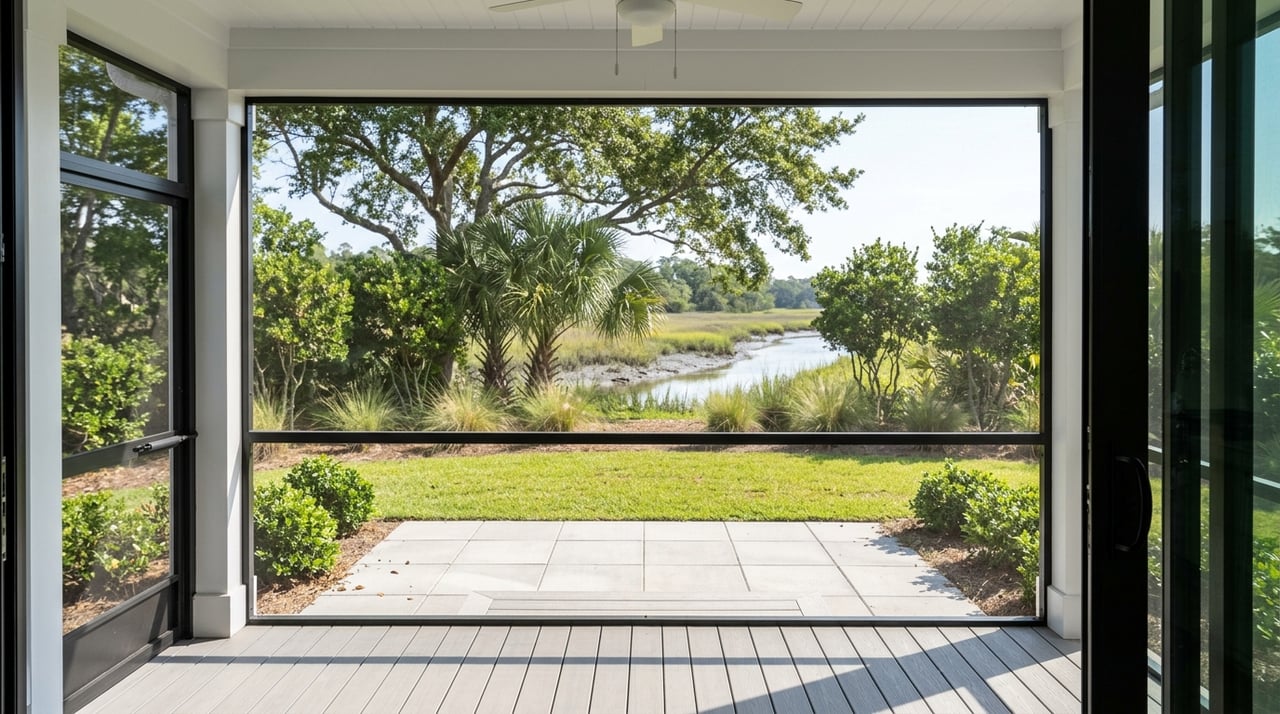
This part of the market offers a different kind of coastal experience. Instead of a beach-town atmosphere, you may find scenic river corridors, marsh views, and easier access to trails and boating. For many buyers, that balance feels more practical for full-time living.
A good example is Skidaway Island State Park, which sits along the Intracoastal Waterway and includes trails through maritime forest and salt marsh. That setting gives you a sense of what attracts buyers to this side of the market.
Riverfront And Boating-Oriented Areas
Some buyers are drawn less to the beach and more to the boating lifestyle. In the broader Savannah area, waterfront pockets around the Wilmington River and Thunderbolt are often part of that conversation.
Visit Savannah highlights Thunderbolt's maritime character and waterfront setting as part of the area's coastal identity. If your priorities include water access, boating culture, and a riverfront feel, these types of locations may be worth exploring.
Costs And Tradeoffs To Expect
Flood Insurance Matters
One of the biggest financial questions in coastal areas is flood insurance. FEMA states that most homeowners and renters insurance policies do not cover flood damage, which is why many buyers need to look closely at flood coverage before closing. FEMA also explains on FloodSmart that NFIP flood insurance usually has a 30-day waiting period before coverage begins.
Flood insurance pricing can vary based on where a property is built, how it is built, and replacement cost. That means two homes with similar price points can have very different insurance costs. It is important to ask for real numbers early in the process.
Savannah also notes that its participation in FEMA's Community Rating System reduces NFIP premiums by 25% for insured property owners. That can be a meaningful benefit, but it does not remove the need to understand the individual property's risk profile.
Local Flood Standards Are Tightening
Building and improvement standards matter in coastal markets, especially if you plan to renovate. The City of Savannah says that effective January 1, 2025, new or substantially improved structures in the 100-year floodplain must be built two feet above base flood elevation.
That requirement may affect renovation budgets, design options, and future planning. If you are buying a property with the intention to update it, this is a detail worth discussing early.
Stormwater Fees Are Another Factor
Drainage is part of life in a low-lying coastal area, and Savannah is moving forward with a Stormwater Utility. The city says fees will be based on impervious surface and runoff, and the first bill is scheduled for July 1, 2026.
For buyers, this is another ownership cost to keep on your radar. It may not be the largest expense, but it is part of the bigger picture when you compare homes and monthly carrying costs.
Maintenance Can Be Higher
Coastal ownership often means more wear and tear. The EPA notes that coastal flooding can damage foundations, walls, roofs, doors, windows, appliances, HVAC systems, and utilities. Salt exposure, mold, corrosion, and debris impacts can also increase maintenance needs over time.
Savannah's climate adds another layer. The city says it experiences almost 100 days above 90 degrees each year, so cooling costs, humidity control, and outdoor comfort should also be part of your planning.
Why Buyers Still Love It
For many people, the tradeoffs are worth it. Coastal living near Savannah can offer marsh and river scenery, boating access, beach access, trails, and regular wildlife viewing, all tied to the area's coastal marsh ecosystem.
It also gives you options. You might prefer a beach-town setting on Tybee, a marsh-side property near the Moon River corridor, or a river-oriented home with boating access. Coastal living here is not one-size-fits-all, which is part of what makes the market so interesting.
Smart Due Diligence Before You Buy
Check Flood Maps First
Before you make an offer, review the official FEMA Flood Map Service Center and compare it with Savannah's local flood guidance. Savannah specifically advises buyers and developers to review both FEMA flood maps and local flood studies.
This step can help you understand whether a property sits in a flood hazard area and what that may mean for insurance, future improvements, and long-term costs. It is one of the most important checks you can make in a coastal market.
Ask For Property-Specific Flood Details
Savannah's flood resources recommend that property owners and buyers know their flood hazard information. In practical terms, you should ask for:
- The property's flood zone
- Base flood elevation
- Elevation certificate, if available
- Any known flood history
These details can help you evaluate the home beyond the list price. They may also affect loan requirements, insurance costs, and renovation plans.
Understand Permit Limits Near Water
If you are buying near marsh or beach areas and hope to add a dock, stabilize a shoreline, or cross dunes, permitting may be required. Georgia DNR explains that a jurisdictional determination and coastal permits may apply for certain types of work.
That does not mean improvements are impossible. It does mean you should confirm what is allowed before you buy based on future plans.
Check Beach Advisories On Tybee
If Tybee is on your short list, water quality is another practical item to watch. Georgia's Healthy Beaches program regularly tests Tybee and other coastal beaches, and heavy rain or strong winds can raise bacteria levels enough to trigger advisories.
These advisories do not close the beach, but they can make swimming or wading riskier. If beach access is a major reason for your purchase, it is helpful to understand how conditions are monitored.
How To Think About Your Best Fit
The right coastal property depends on how you want to live. If you want direct beach access and a true vacation-town feel, Tybee may be your best match. If you want a calmer residential setting with water views and outdoor access, marsh- and river-side communities may be a better fit.
It also helps to think beyond the purchase price. Insurance, parking, maintenance, drainage-related costs, and future improvement limits all shape the real cost of ownership. A home that looks perfect online may feel very different once you factor in those details.
That is where local guidance matters. Working with a team that understands Savannah, Tybee, and the surrounding coastal pockets can help you compare not just homes, but lifestyles, risks, and long-term fit.
If you are weighing coastal options around Savannah, Robin Lance Realty can help you narrow your search, understand the tradeoffs, and move forward with steady local guidance.
FAQs
Is coastal living near Savannah always oceanfront?
- No. In the Savannah area, coastal living often means marsh, river, or barrier-island settings rather than true oceanfront property.
Do Savannah-area coastal homes need flood insurance?
- Sometimes it is lender- or zone-required, but even when it is not required, FEMA says standard homeowners insurance does not cover flood damage.
Is Tybee Island practical for full-time living near Savannah?
- Yes, but buyers should expect beach-town realities like parking enforcement, peak-weekend crowding, and local beach rules.
What should buyers check before purchasing a coastal home near Savannah?
- You should review the FEMA flood map, ask for the flood zone, base flood elevation, elevation certificate, and any known flood history.
Are there extra ownership costs with coastal property near Savannah?
- Yes. Common added costs can include flood insurance, maintenance tied to moisture and salt exposure, and stormwater-related fees depending on the property and location.
Can buyers make waterfront improvements on coastal property near Savannah?
- Maybe. Work like docks, shoreline stabilization, or dune crossings may require a jurisdictional determination or coastal permits through Georgia DNR.