Thinking about buying a rental home in Savannah or Pooler but not sure where the numbers land right now? You’re not alone. With prices, rents, and regulations shifting, it can be hard to tell what will actually cash flow and what won’t. In this guide, you’ll get a clear, local snapshot of prices and rents, what types of properties tend to work, the rules and risks to check first, and a practical checklist to run your numbers with confidence. Let’s dive in.
Market snapshot: prices, rents, and ratios
Home prices in the Savannah and Pooler area sit in a midrange band. Recent sources show typical Savannah home values around the low to mid $300s, with county and Pooler medians closer to the high $300s. Rents average in the low to mid $1,700s across Savannah, while many Pooler listings land in the high $1,800s to $1,900s.
A quick screening tool you can use is the price-to-rent ratio. It’s the purchase price divided by annual rent, and it helps you compare areas and property types. Learn how it works in this simple explainer from Investopedia.
- Savannah example: about mid 16s using recent median price and rent inputs.
- Chatham County example: about high 18s.
- Pooler example: about mid 17s.
What those midrange ratios mean for you: the market does not automatically produce strong cash flow at typical list prices. You’ll want to screen each property, look for below-market buys, consider small multifamily, or plan for total return to include appreciation and amortization.
Who rents here and why
Savannah’s population is roughly 148,800, and Pooler has grown quickly in recent years compared with the city average. You have a healthy mix of renters across the metro, which supports steady long-term demand. See the most recent population detail on Census QuickFacts.
The job base adds stability. The Port of Savannah continues to report strong container volumes, supporting logistics, trucking, rail, and warehouse jobs. Read the latest performance summary from the Georgia Ports Authority. Major employers in aerospace and manufacturing, local health systems, the military, and area colleges create a broad renter pool.
Tourism and student demand are also part of the picture. Savannah College of Art and Design (SCAD) attracts students and supports nearby rentals. If you consider student or furnished units, plan for more turnover and active management.
Property types that tend to work
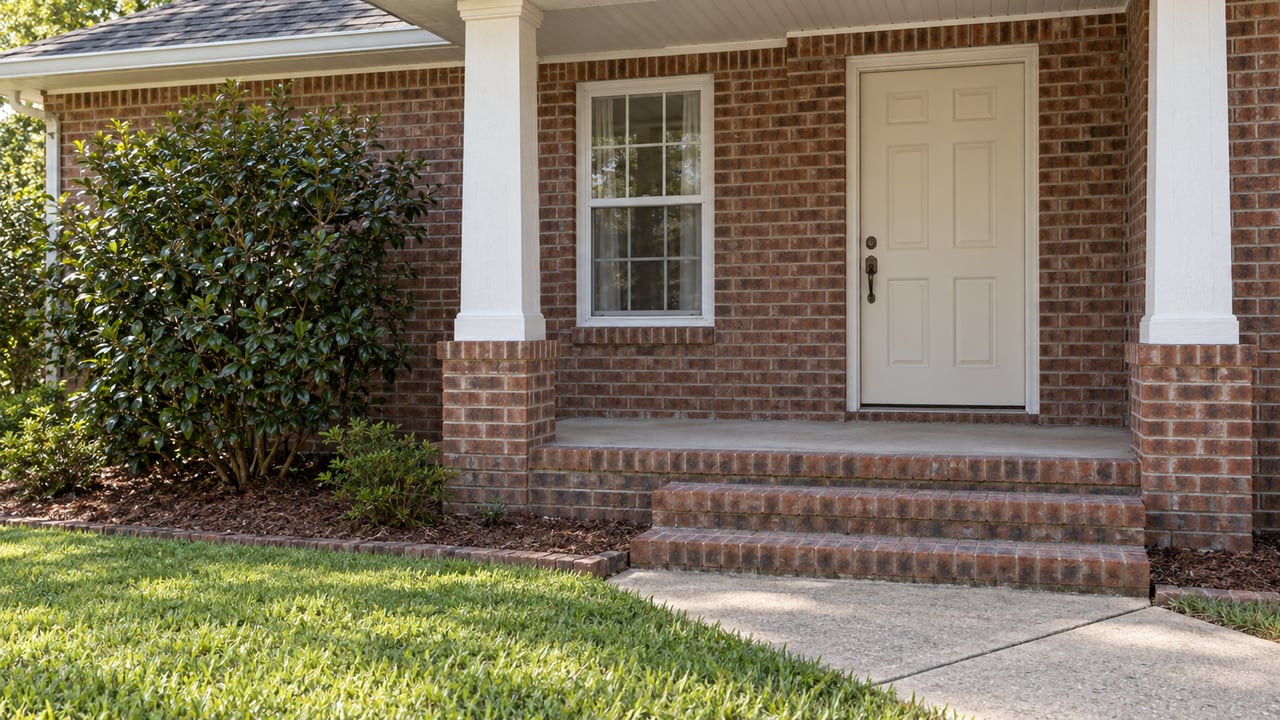
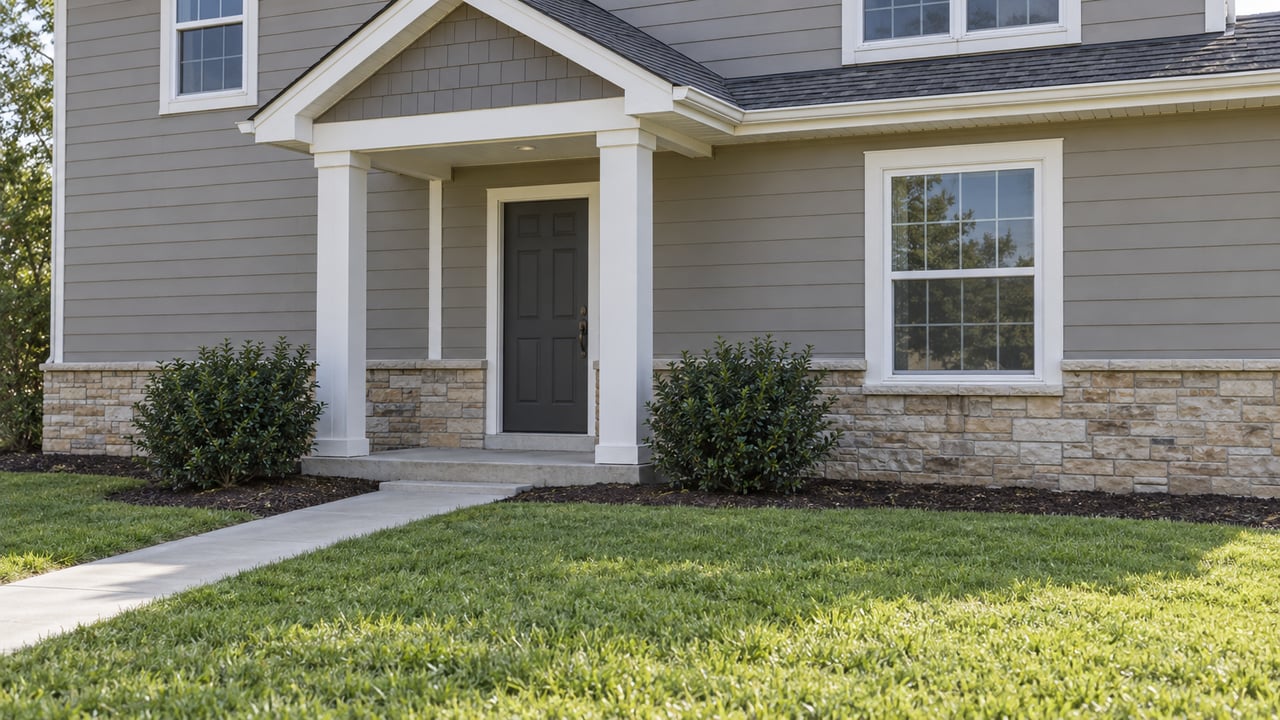
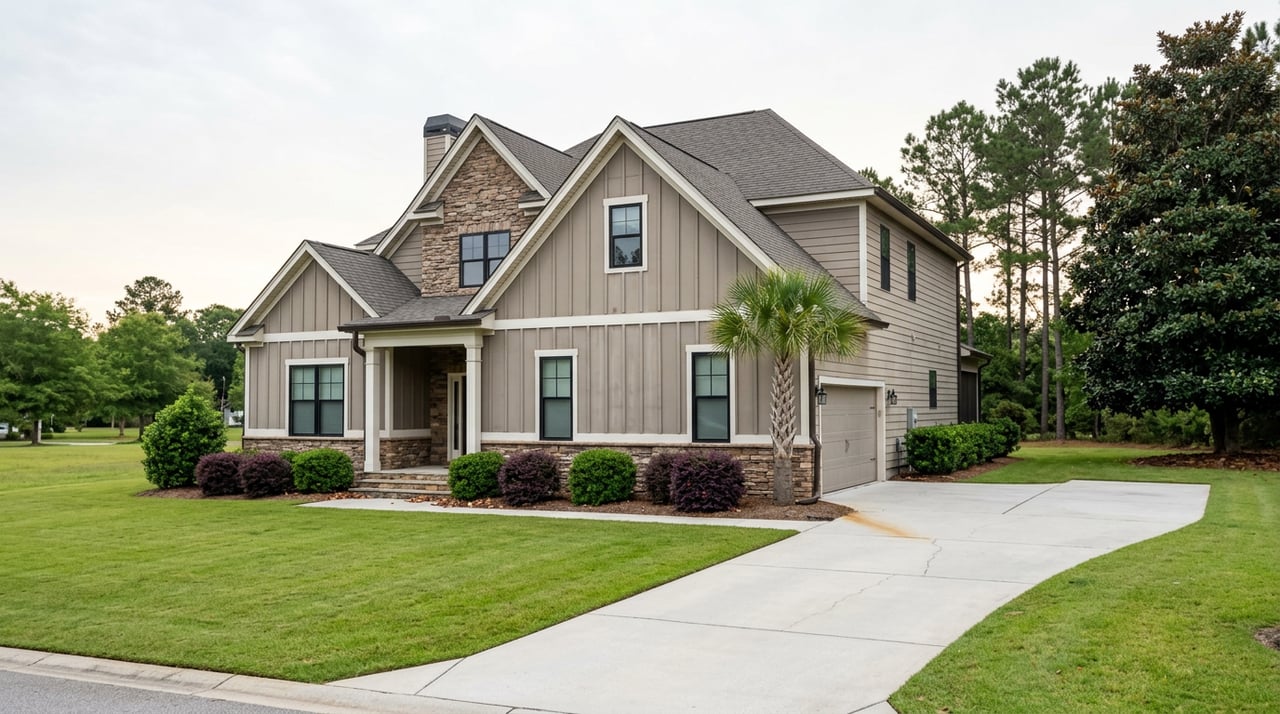
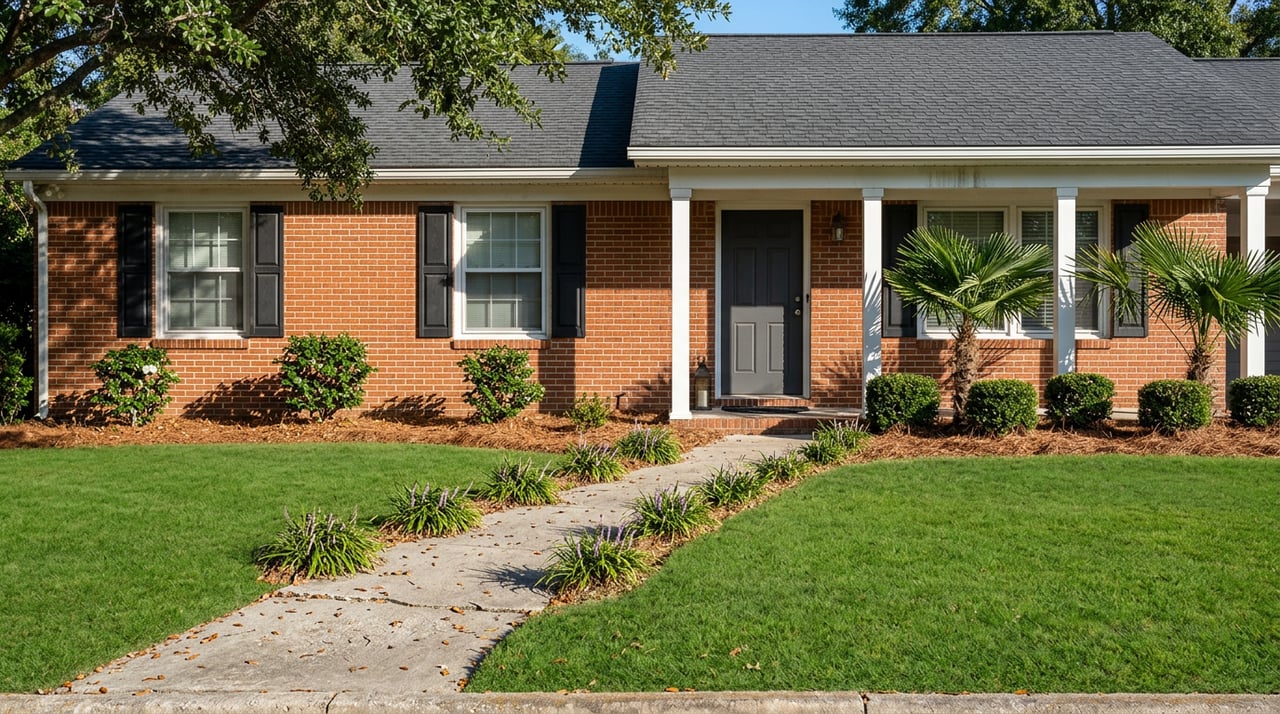
- Single-family rentals in Pooler and west Chatham. Newer 3-bed, 2-bath homes often attract longer-term tenants who want suburban convenience and access to job corridors. Yields will depend on your purchase price relative to rent.
- Small multifamily near job nodes. Duplexes and 2–8 unit properties can improve returns by balancing vacancy risk and boosting gross rent per dollar invested. Expect more hands-on management.
- Student or room-by-room rentals near SCAD. These can command higher rent per bedroom but require tight compliance and frequent turns.
- Short-term rentals. Downtown Savannah has an overlay with registration, ward-level caps, and different rules for owner-occupied units. Feasibility depends on the exact address and zoning. Pooler has its own rules. More on this below.
Institutional interest in build-to-rent and single-family portfolios has increased across the Sunbelt, including projects near Savannah. That competition can tighten yields on standard suburban homes. See industry coverage of a local project in CoStar’s report.
Rules and risks to check first
- Short-term rental rules in Savannah. The city requires registration, displays certificate numbers on listings, and enforces ward caps in historic districts. Owner-occupied properties are treated differently. Always confirm what applies to your parcel before modeling income. Review the city’s STVR page.
- Landlord-tenant law. Georgia’s landlord-tenant framework covers deposits, repairs, notices, and dispossessory actions. It helps to know the basics before you lease. The Georgia DCA’s handbook is a practical overview of O.C.G.A. Title 44, Chapter 7. Read it here on the Digital Library of Georgia.
- Flood and coastal risk. Parts of Chatham County sit in low-lying areas. If a property is in a Special Flood Hazard Area, lenders typically require flood insurance. Before you buy, confirm the FEMA flood zone and request an elevation certificate. Start with local guidance from Chatham County Engineering.
- Property taxes and assessments. Georgia assesses at 40 percent of fair market value, and millage rates drive the bill. Check the current assessed value, applicable exemptions, and filing timelines. See the Chatham County tax facts from the Georgia Department of Revenue.
Budget and operating costs
Long-term rental management fees commonly run about 8 to 12 percent of monthly rent, plus a leasing or placement fee. You should also budget for vacancy, routine maintenance, and capital reserves for big systems like roofs or HVAC.
Many investors use a conservative screen that assumes 40 to 60 percent of gross rent will go to operating expenses and vacancy before debt service. That range is a stress test, not a rule. Your actual costs will vary by age, condition, flood zone, HOA fees, utilities, and management structure.
Insurance can be higher for coastal exposure and flood-prone areas, so get quotes early. Property taxes and HOA dues can also move your numbers meaningfully, especially on newer or amenitized homes.
Example: Pooler 3-bed screen
Here is a simple illustration using recent median figures:
- Purchase price: about $399,000
- Market rent: about $1,914 per month
- Gross annual rent: $22,968
- If you assume 50 percent of gross goes to operating expenses and vacancy, that leaves an estimated NOI of $11,484.
- Implied cap rate: $11,484 divided by $399,000 is about 2.9 percent.
How to read this: at typical list prices, many standard single-family homes will not produce strong cap rates without either a below-market purchase, higher-than-median rents, or lower expenses than the conservative screen. Smaller multifamily is often where you see better yield per dollar.
Due diligence checklist
Use this quick list before you write an offer or convert a home to a rental:
- Pull 12 months of rent comps for the exact ZIP or submarket. Cross-check with market trackers and local MLS. For a conservative floor on 2-bed units, review HUD small-area fair market rents by ZIP on fmr.fyi.
- Verify the flood zone and ask for an elevation certificate. If in a Special Flood Hazard Area, get a flood insurance quote. Start with the county’s flood zone definitions.
- Confirm current assessed value, millage, and exemptions. See county tax facts and call local offices if needed.
- Check short-term rental rules for your exact address. Review Savannah’s STVR requirements and Pooler’s code if you are outside the city.
- Obtain insurance quotes for hazard, liability, and flood if applicable. Coastal premiums can be a major line item.
- Price professional management and leasing services. Ask about typical vacancy, turn times, and maintenance workflows for similar homes.
- Run multiple cash-flow cases. Stress test with a 50 percent expense assumption, then refine with actual quotes for taxes, insurance, HOA, and management.
- Inspect for deferred maintenance. Older systems and foundations can change your capex plan quickly.
Strategies to improve returns
- Look for value plays. Estate sales, dated interiors, or light rehab opportunities can unlock rent growth and lower your basis.
- Consider small multifamily. Duplexes and 2–8 unit buildings can improve cap rate and reduce single-tenant vacancy risk.
- Optimize for long-term tenants. Clean, neutral finishes, reliable systems, and clear maintenance response keep occupancy steady.
- Align rents with HUD benchmarks where it fits. If you plan to accept vouchers, use local small-area FMRs as a baseline. Check your ZIP on fmr.fyi.
- Know where STRs work. Downtown Savannah’s caps and registration rules make some short-term plans impractical. Confirm feasibility first on the city’s STVR page.
Ready to invest with local guidance?
If you want a clear, local read on a specific address, we’re here to help. Our team can price rents, flag flood and tax issues early, and connect you with management and vendor quotes so your underwriting is grounded in real numbers. When you are ready to buy, place a tenant, or hand off day-to-day management, reach out to Robin Lance Realty for a plan that fits your goals.
FAQs
What is the price-to-rent ratio and why does it matter in Savannah and Pooler?
- It is purchase price divided by annual rent, and midrange ratios here mean you should screen individual properties for cash flow rather than assume strong returns by default. See the basics on Investopedia.
How strict are Savannah’s short-term rental rules for downtown homes?
- The city uses an overlay with registration, ward caps, and display requirements for certificates, so confirm feasibility on the STVR page before you buy.
Do I need flood insurance for a Chatham County rental property?
- If the home sits in a Special Flood Hazard Area, lenders typically require flood insurance, and premiums can be material; start with county guidance on flood zones.
What are typical long-term rents in Savannah right now?
- Market trackers place average rents in the low to mid $1,700s, with many Pooler listings in the high $1,800s to $1,900s; see a recent view of Savannah rents on RentCafe.
How are Georgia property taxes calculated for rentals in Chatham County?
- Properties are assessed at 40 percent of market value, and local millage rates determine the bill; check details on Chatham County tax facts.