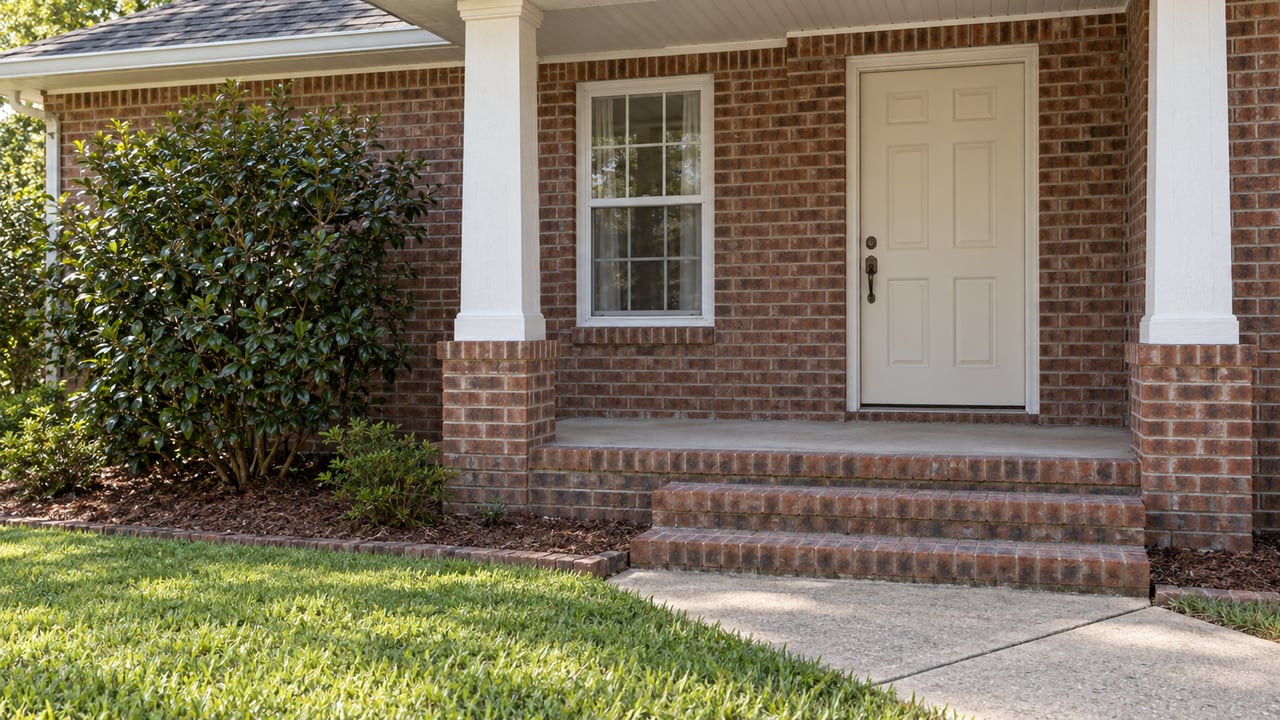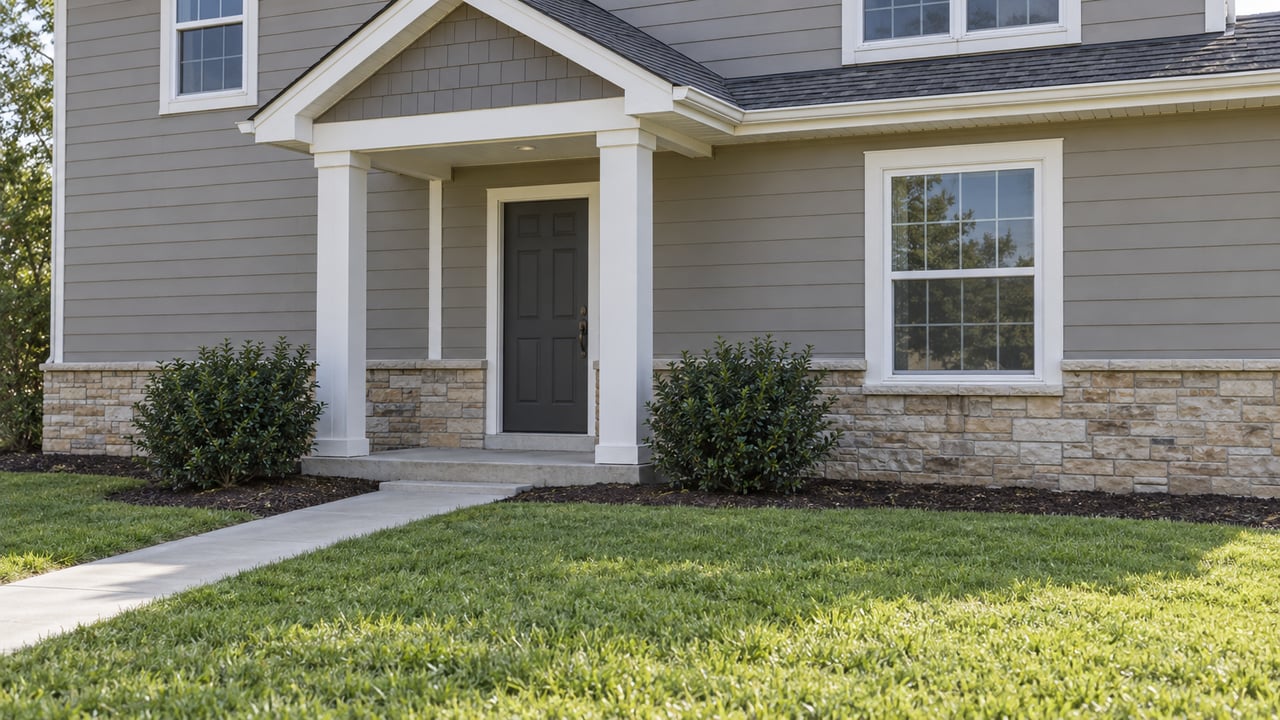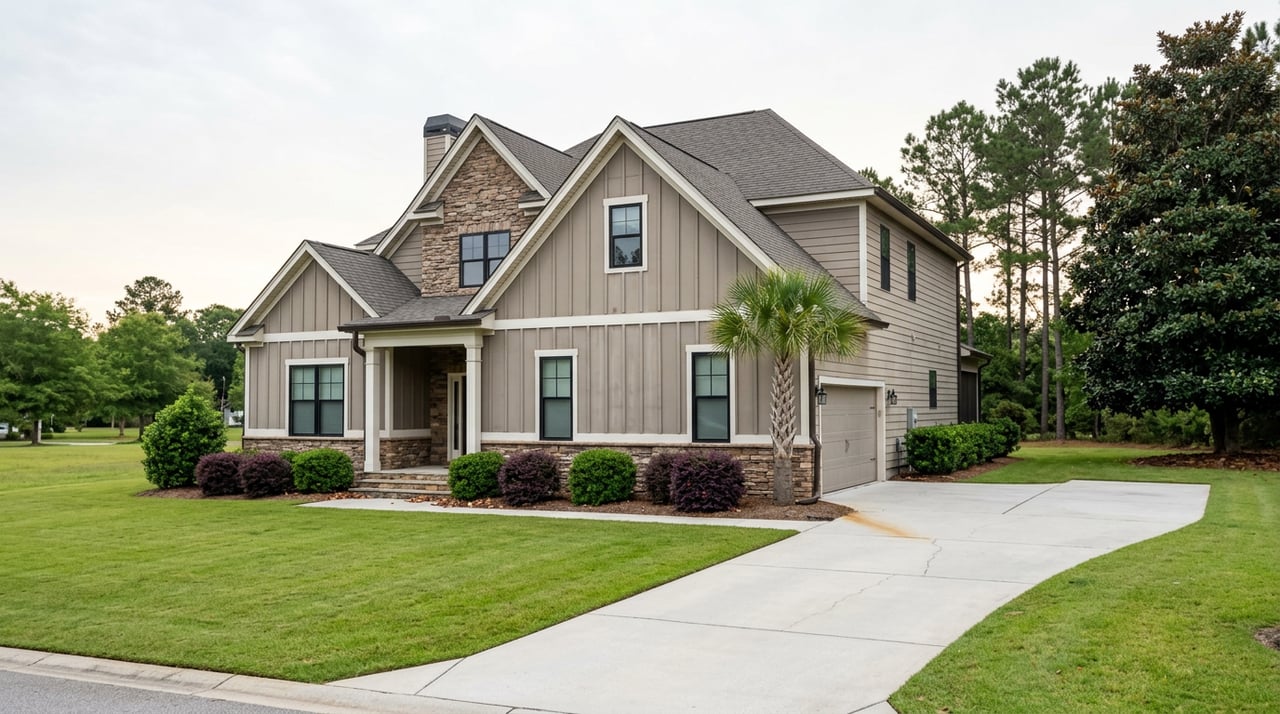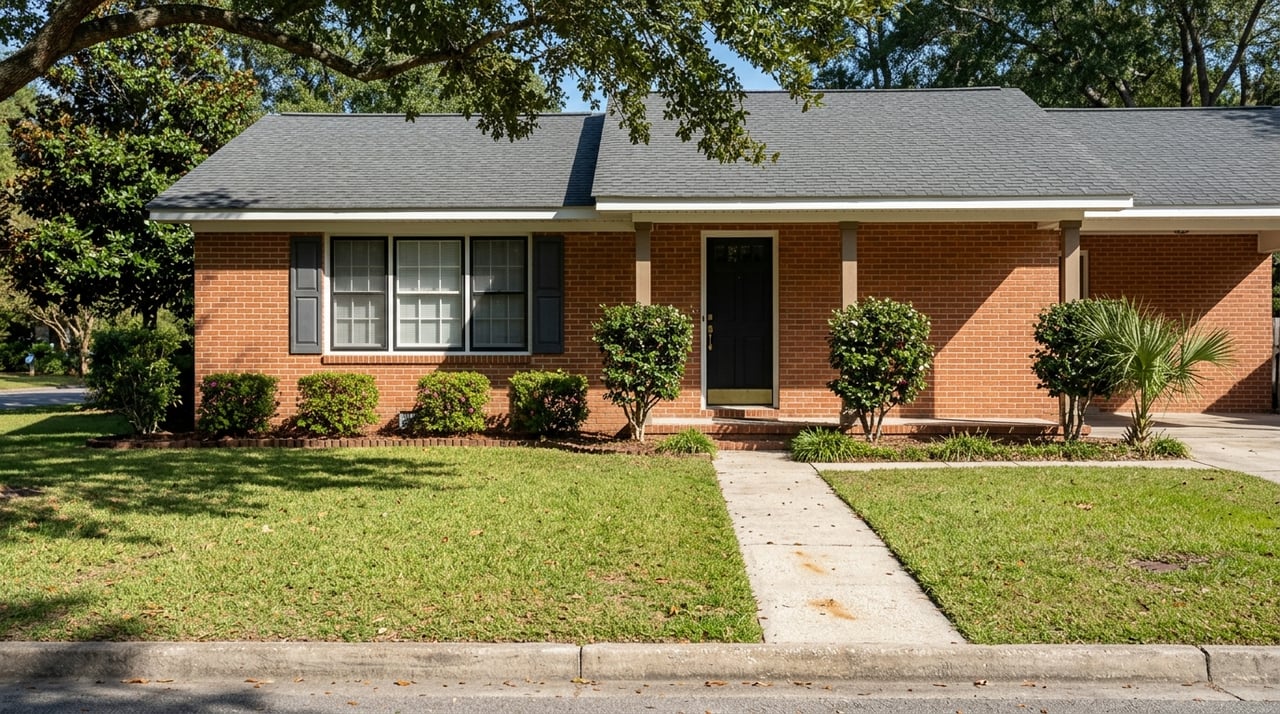
Trying to choose between Pooler and Rincon is really about choosing the kind of home experience you want. Some buyers want a newer subdivision with shared amenities and a more uniform look, while others want an older home with character, mature trees, and a more established setting. If you are weighing newer subdivisions against older homes in the greater Savannah area, this guide will help you compare price, lifestyle, maintenance, and location so you can make a more confident move. Let’s dive in.
Pooler vs. Rincon at a glance
If you start with price alone, Pooler currently sits a bit higher than Rincon. Zillow data shows Pooler’s typical home value at $349,739 compared with $339,039 in Rincon, and Zillow’s median list prices are $394,317 in Pooler versus $370,921 in Rincon.
The pace is a little different too. Zillow shows homes going pending in about 75 days in Pooler and about 61 days in Rincon, with 195 active listings in Pooler compared with 133 in Rincon. The broad takeaway is that Pooler currently carries a modest premium, while Rincon appears a bit less expensive and slightly faster-moving based on current market snapshots.
Realtor.com data cited in the research report through Zillow context also supports that general spread, with a median home price of $388,950 in Pooler versus $343,495 in Rincon. That does not guarantee future appreciation, but it does give you a useful starting point when comparing options.
Why buyers lean toward Pooler
Pooler is often the first stop for buyers who want newer construction and amenity-focused neighborhoods. The city’s growth patterns and planning documents reflect a strong emphasis on coordinated development, especially around the Main Street corridor and the area between Pooler Parkway and I-95, according to Pooler planning resources.
That growth has made Pooler especially appealing if you want a neighborhood with built-in structure, newer homes, and community amenities. For many buyers, that means less guesswork about what the neighborhood will look like and how common areas will be maintained.
Newer subdivisions in Pooler
One of the clearest examples is Savannah Quarters, a master-planned community with new construction homes, pools, tennis, golf, and clubhouse dining. Lennar’s current pricing there, as cited in the research, ranges from $375,000 to $446,000, which helps frame where some of Pooler’s newer inventory can fall.
Another example is The Gates at Savannah Quarters, a gated community with lagoon and wooded views, catch-and-release fishing, a playground, a zero-entry pool, clubhouse access, and RV storage. The resident information also makes something important very clear: exterior changes are subject to an ACC/HOA review process, and buyers should expect governing documents, assessments, and community rules.
Towne Lake at Godley Station shows a similar pattern. Its HOA information highlights a private community pool, tennis court, and children’s park, along with a mix of standard homes and custom-built estate homes.
What newer neighborhoods usually offer
If you are drawn to newer subdivisions, Pooler may check a lot of boxes:
- More recently built homes
- Shared amenities like pools, tennis, parks, or clubhouses
- A more consistent neighborhood appearance
- Planned growth and organized community structure
- Proximity to key travel corridors and shopping areas
That said, newer does not always mean simpler. In many planned communities, you should expect HOA dues, architectural review rules, and community standards that shape what you can do with the exterior of your property.
Why buyers consider older homes
Older homes appeal to buyers for different reasons. Instead of focusing on uniformity and amenities, the appeal is often architectural character, mature landscaping, and a neighborhood feel that has developed over time.
Pooler still has an older-center identity, and the city’s comprehensive plan notes that the historic district is intended to protect historic areas from incompatible development and promote conservation standards for older neighborhoods and structures. You can review that context in the City of Pooler comprehensive plan.
In Rincon, established communities also remain a major part of the housing conversation. Kate’s Cove describes itself as an established custom-home community with moss-covered trees and a relaxed feel, while Lost Plantation, cited in the research report through the same source set, includes nearly 500 homes, three pools, tennis courts, and two playgrounds.
Older does not always mean fewer rules
A common misconception is that older neighborhoods come with more freedom. Sometimes that is true, but not always.
For example, Silverwood Plantation’s resident packet shows that an older neighborhood can still be a covenant community with architectural review requirements and rules for gate access, trash, vehicles, and shared amenities. If you are shopping older homes in Pooler or Rincon, it is smart to verify HOA or covenant restrictions before you fall in love with a property.
Maintenance matters more than age alone
The newer-versus-older debate often comes down to maintenance expectations. A newer home may reduce the chance of near-term repairs, but no house is maintenance-free.
Freddie Mac’s home maintenance guidance reminds homeowners to plan for routine upkeep like lawn care, gutter cleaning, appliance maintenance, and eventual roof replacement. In other words, even a move-in-ready home in a newer subdivision still comes with ongoing costs and responsibilities.
With an older home, the maintenance picture can be more complex. The National Association of Realtors consumer guide on buying a historic property notes possible age-related concerns such as outdated wiring, older plumbing, inefficient insulation, aging foundations, and the potential for lead paint or asbestos concerns.
A smart way to compare the tradeoff
When you compare newer subdivisions in Pooler with older homes in Pooler or Rincon, think about these questions:
- Do you want lower short-term repair risk, or are you comfortable budgeting for updates?
- Do you prefer neighborhood amenities, or do you care more about lot character and mature landscaping?
- Are you comfortable with HOA oversight for exterior changes?
- Do you want a more uniform neighborhood look, or a more varied streetscape?
The best answer depends on your budget, your tolerance for upkeep, and how you want to live day to day.
Location and convenience differences
Location is another major deciding factor. Pooler’s growth is closely tied to major access points, including I-16 and I-95, and to continued development around the city’s Main Street and commercial corridors, according to Pooler planning resources.
Savannah Quarters also highlights proximity to shopping, downtown Savannah, and Savannah/Hilton Head International Airport on its official site. For buyers who want a newer suburban setting with convenient regional access, that can be a strong advantage.
Rincon offers a different kind of convenience profile. According to the city information cited in the research report, Rincon is about 10 miles from the airport, about 20 miles from downtown Savannah, and does not collect a city property tax. For some buyers, that combination may make Rincon worth a closer look.
School zones should be verified by address
If school assignment matters in your move, do not rely on old listing details or neighborhood assumptions. Boundaries can change.
SCCPSS says attendance zones are established by the board and are being realigned in response to population shifts and commercial growth in western Chatham County. In Effingham County, the research report notes that a new elementary school on Blue Jay Road is set to open in August 2026, with redistricting plans to follow.
The practical takeaway is simple: if you are comparing Pooler and Rincon, verify school assignment by the specific address before you make an offer.
Which option fits you best?
There is no one-size-fits-all winner between Pooler and Rincon, or between newer subdivisions and older homes. The better choice is the one that aligns with how you want to spend your money, your weekends, and your time at home.
You may lean toward Pooler if you want a newer home, neighborhood amenities, and a more planned community environment. You may lean toward older Pooler pockets or Rincon communities if you value character, established surroundings, and potentially lower entry pricing, as long as you go in with clear eyes about maintenance, HOA rules, and address-based school verification.
A good buying strategy is to compare homes on more than square footage and list price. Look at governing documents, likely upkeep, travel patterns, and how each neighborhood fits your daily routine. That is often where the right answer becomes much clearer.
If you want help narrowing down the right fit in Pooler, Rincon, or the surrounding Savannah-area market, connect with Robin Lance Realty for local guidance, curated home searches, and hands-on support from showing to closing.
FAQs
Should you choose Pooler or Rincon for a newer subdivision?
- If you want a master-planned neighborhood with newer construction and shared amenities, Pooler offers stronger examples in the current research, including Savannah Quarters, The Gates at Savannah Quarters, and Towne Lake at Godley Station.
Are older homes in Rincon usually cheaper than newer homes in Pooler?
- Current market data in the research report suggests Rincon is generally less expensive than Pooler overall, but individual home prices still depend on location, condition, size, and neighborhood rules.
Do older neighborhoods in Pooler or Rincon have HOAs?
- Yes, some do. Older communities can still have covenants, architectural review requirements, dues, and amenity rules, so you should verify restrictions before buying.
What maintenance issues should you check with an older home in Pooler or Rincon?
- Pay close attention to wiring, plumbing, insulation, foundation condition, roofing, and any possible environmental concerns associated with older construction, and always get an independent inspection.
How should you verify school zones in Pooler or Rincon before buying?
- Verify school assignment by the exact property address because attendance zones can change as districts respond to growth and redistricting.
Is a newer home in Pooler automatically easier to own than an older home in Rincon?
- Not automatically. A newer home may reduce near-term repair risk, but it can still come with HOA dues, community rules, and routine maintenance obligations.