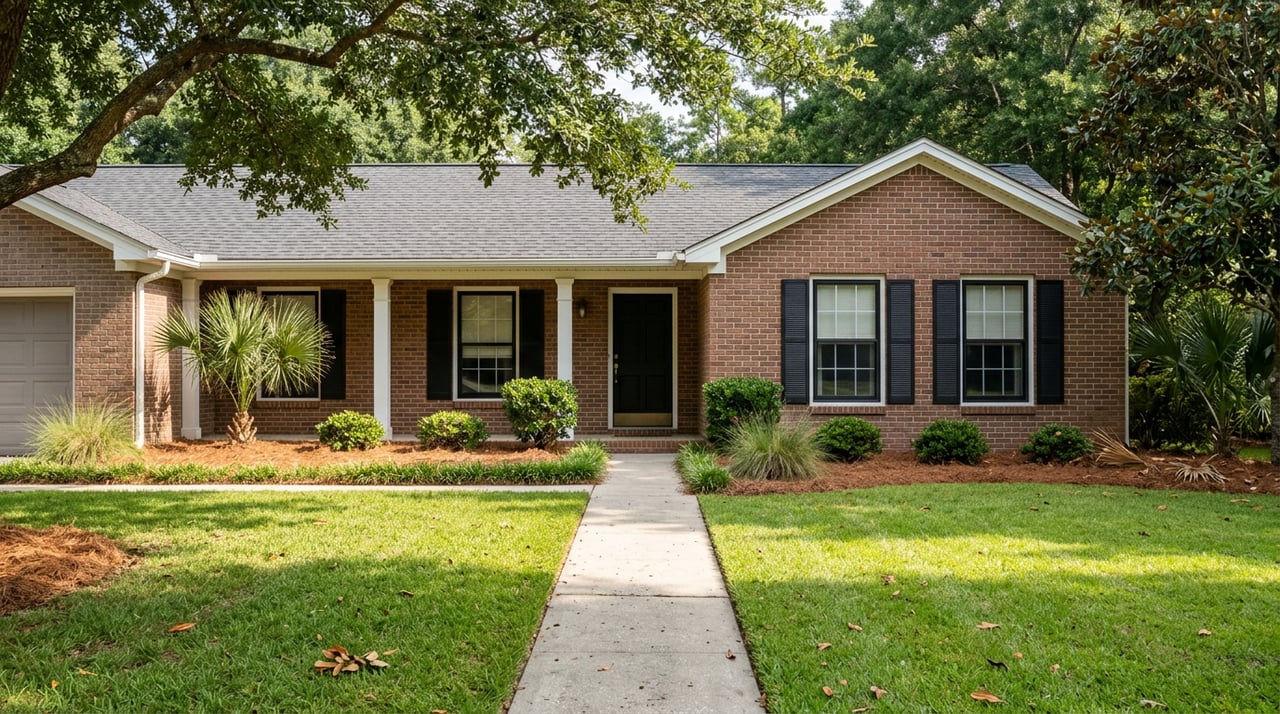
Thinking about selling your Richmond Hill home but unsure if this is the year to do it? You are not alone. The 2026 market looks different than the recent boom, and the right move depends on your price point, timeline, and next-home plan. In this guide, you will see what local data says, how to price and prepare, and a simple checklist to help you decide with confidence. Let’s dive in.
Richmond Hill market, in short
The market is softer than the pandemic peak. Depending on the data source and date, recent price indicators range from a median sale price near $360,000 in Feb 2026 (Redfin) to a typical home value around $415,737 as of Jan 31, 2026 (Zillow), with a listings-based median near $462,500 in Dec 2025 (Realtor.com). These numbers differ because each source measures a different slice of the market and timeframe. If you list, lean on a fresh, MLS-based CMA for the most precise number for your neighborhood and home type.
Inventory and pace affect pricing
Active listings are elevated while monthly closings have slowed. Using recent snapshots, months-of-supply ranges from roughly 8 to 16 months based on inventory counts and about 27 homes sold in Feb 2026. Even the lower end sits above the typical seller-lean benchmark, which means buyers have options and will compare aggressively.
Marketing time has stretched. Different datasets show a typical 1.5 to 3 months window to secure an offer. Sale-to-list ratios hover near 99%, and only a small share of homes sell above list, so bidding wars are less common. Well-priced, well-prepared homes still move, but overpricing often leads to longer days on market and price cuts.
Local demand drivers to watch
Population and incomes
Richmond Hill continues to grow. The U.S. Census estimates about 19,839 residents as of July 1, 2024 and a city median household income around $92,824, with Bryan County near $103,408. Those numbers support a stable buyer base and inform affordability for move-up and move-down sellers. See the Census profiles for Richmond Hill QuickFacts and Bryan County QuickFacts.
Jobs and regional growth
Bryan County welcomed Hyundai Motor Group Metaplant America, a large manufacturing campus that celebrated its grand opening in March 2025. Big employers can add steady housing demand over time through direct hires and suppliers, though impact varies by price tier and commute patterns. Learn more from the Hyundai metaplant announcement.
Rents and investor interest
Asking rents trend around $2,000 to $2,400 per month depending on unit type. That level can draw investors to smaller single-family homes, which may support demand at certain price points. Entry-level and clean, move-in-ready homes often see faster attention compared with over-customized or over-priced listings.
What this means for your sale
- Price matters more. With months-of-supply elevated and most sales at or under list, a right-priced launch usually beats a high list followed by cuts.
- Expect negotiation. Plan for inspection credits, closing help, or timing requests. Build these into your net proceeds.
- Watch rates and seasonality. The national 30-year fixed averaged about 6.00% the week of Mar 5, 2026, according to Freddie Mac. Spring often attracts more buyers, although elevated inventory can mute that edge. For context on seasonal patterns, see this spring seller trends overview.
Two real Richmond Hill examples
- Example A: A correctly priced 3-bed home listed in late December 2025 sold for the list price by late January 2026, roughly 35 days on market. This is typical of a solid price and clean presentation.
- Example B: A similar-sized home listed in October 2025 started high, reduced in December, went under contract late December, and closed in early February 2026. Final sale was slightly under the reduced price after a longer marketing period.
Takeaway: Starting within a tight 1 to 3 percent market band can save weeks and protect your net.
Quick seller checklist
Get a fresh local CMA. Ask a Richmond Hill or Bryan County agent to pull 30-, 60-, and 90-day sold comps that mirror your home’s size, age, and condition. In a shifting market, a 60- to 90-day view can be more reliable than older sales.
Confirm your replacement plan. If you will buy locally, request updated payment estimates from a trusted lender and use the Freddie Mac rate report as a national benchmark. If you plan to rent, compare current asking rents to your carrying costs.
Calculate the cost of waiting. Add mortgage, taxes, insurance, HOA, utilities, and maintenance for each month you hold. If you need proceeds by a set date, your timeline may outweigh small price swings.
Launch with a pricing plan. If your CMA shows a balanced or buyer-tilted segment, prep thoroughly and price competitively. Define a second-tier price with a clear date to adjust if activity lags. Strong photos, light touch-up repairs, and tidy curb appeal go a long way.
Net proceeds example
- Assumptions: list price $400,000; commission 6 percent; other seller costs about $3,000. Compare a sale at 99 percent of list versus 95 percent.
- Sale at 99 percent: $396,000 sale price, $23,760 commission, $3,000 costs. Estimated net before payoff and taxes: $369,240.
- Sale at 95 percent: $380,000 sale price, $22,800 commission, $3,000 costs. Estimated net before payoff and taxes: $354,200.
- Approximate difference: $15,040. Small percentage moves can make a big impact on your take-home.
Should you sell now or wait?
- If you must move in 60 to 120 days. List soon with a realistic price and polished presentation. Today’s buyers are selective, but well-positioned homes are selling near list.
- If you are flexible. Track new listings and pendings for 4 to 6 weeks in your neighborhood and review an updated CMA. If inventory tightens or rates ease, your position could improve. If supply keeps building, a strong price on a clean, move-in-ready home may still be your best play.
- If you plan to rent out your home. Compare your net rent against carrying and maintenance costs. Investor demand and stable rents can make renting viable, and a local brokerage can manage tenants and upkeep.
Ready to talk strategy for your Richmond Hill property? Tap into a boutique team that pairs deep neighborhood expertise with full-service support from pricing to closing to management. Connect with Robin Lance Realty to get a local CMA and a plan that fits your timing.
FAQs
How long does it take to sell a home in Richmond Hill in 2026?
- Recent datasets suggest a typical 1.5 to 3 months marketing window, depending on price point, condition, and pricing strategy.
What sale price can I expect compared with my list price in Richmond Hill?
- Recent snapshots show a median sale-to-list ratio near 99%, with fewer homes selling above list. Accurate pricing and prep are key to achieving near-list outcomes.
How do current mortgage rates affect my decision to sell in 2026?
- The national 30-year fixed averaged about 6.00% in early March 2026, which supports some buyer activity but keeps affordability tighter than the low-rate years.
Will the Hyundai Metaplant impact my home’s value in Richmond Hill?
- Large employers can support long-term housing demand through jobs and suppliers. Effects vary by location and price tier, so review nearby comps and commute patterns with a local agent.
If I sell first and rent in Richmond Hill, what should I plan for?
- Compare estimated rent in the $2,000 to $2,400 range to your monthly costs and move timeline. A local property management team can help you evaluate short-term and longer-term options.