Thinking about buying your first home near Savannah but want more space and value for your budget? Rincon in Effingham County gives you a practical path into homeownership with small‑town comfort, steady growth, and a range of starter‑friendly options. If you are comparing rent to a mortgage, planning a manageable commute, or eyeing new construction, this guide will help you size up Rincon with real numbers and local tips. You will learn what homes typically cost, what daily life looks like, and how to line up financing and next steps. Let’s dive in.
Rincon at a glance
Rincon is a growing city just north of Savannah. The 2020 Census counted 10,934 residents, and recent estimates put the population around 11,701, signaling steady growth. Local incomes help support first‑time purchases. The city’s median household income is about $74,417, and the median owner‑occupied home value is around $251,600. Countywide, Effingham’s median household income is about $88,438 and its median owner‑occupied value is roughly $276,000. You can review these fundamentals on U.S. Census QuickFacts.
If you are weighing rent versus buy, note that Rincon’s median gross rent is about $1,245 per month. Many buyers find that a fixed mortgage payment can compete with local rents once you factor in down‑payment assistance, tax benefits, and building equity over time.
Why first-time buyers pick Rincon
Relative affordability
Rincon offers a meaningful band of starter pricing. Recent listings show many 3‑bedroom, 2‑bath homes under $300,000, with some options in the low to mid $200,000s depending on size and updates. Market measures vary by methodology and month, but recent snapshots show a typical home value index near $339,000 and an MLS‑based median sale price near $295,000. Taken together, those figures suggest room for first‑time buyers to find a fit without stretching into higher Savannah‑area price tiers.
Small-town amenities and parks
You get a comfortable, easy‑to‑navigate town with active recreation and community programs. Rincon’s recreation department maintains parks like Macomber Ball Park, Veterans Park, and Patriot’s Park, and offers leagues and activities throughout the year. Explore facilities and programs on the City of Rincon Recreation page.
Schools and planning ahead
Effingham County Schools operates multiple campuses that serve Rincon addresses, including Rincon Elementary, Ebenezer Middle, and area high schools such as Effingham County High and South Effingham High. The district has an active redistricting process for 2026–2027, so be sure to confirm a specific home’s attendance zone directly with the district before you write an offer. Start with the Effingham County Schools website.
Commutes and job access
Many residents work in and around Savannah, the Port of Savannah, the airport, and regional industrial hubs. Average travel time to work for Rincon residents is about 28 to 29 minutes. Point‑to‑point tools estimate roughly 18 miles and about 25 to 31 minutes to downtown Savannah, depending on route and traffic. Check a sample route on Travelmath’s drive‑time tool, and remember that shift schedules can change your experience. The Port is a major economic driver in the region. You can read about its growth in this Georgia Ports Authority update.
What starter homes look like in Rincon
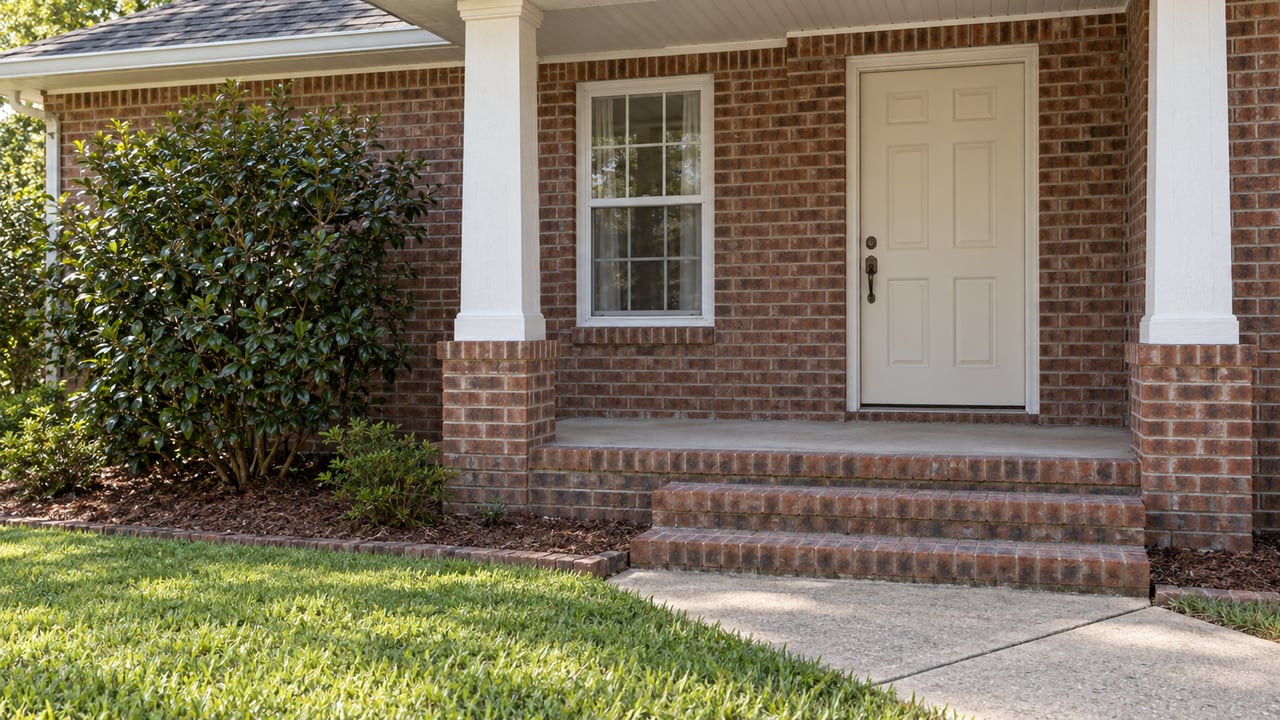
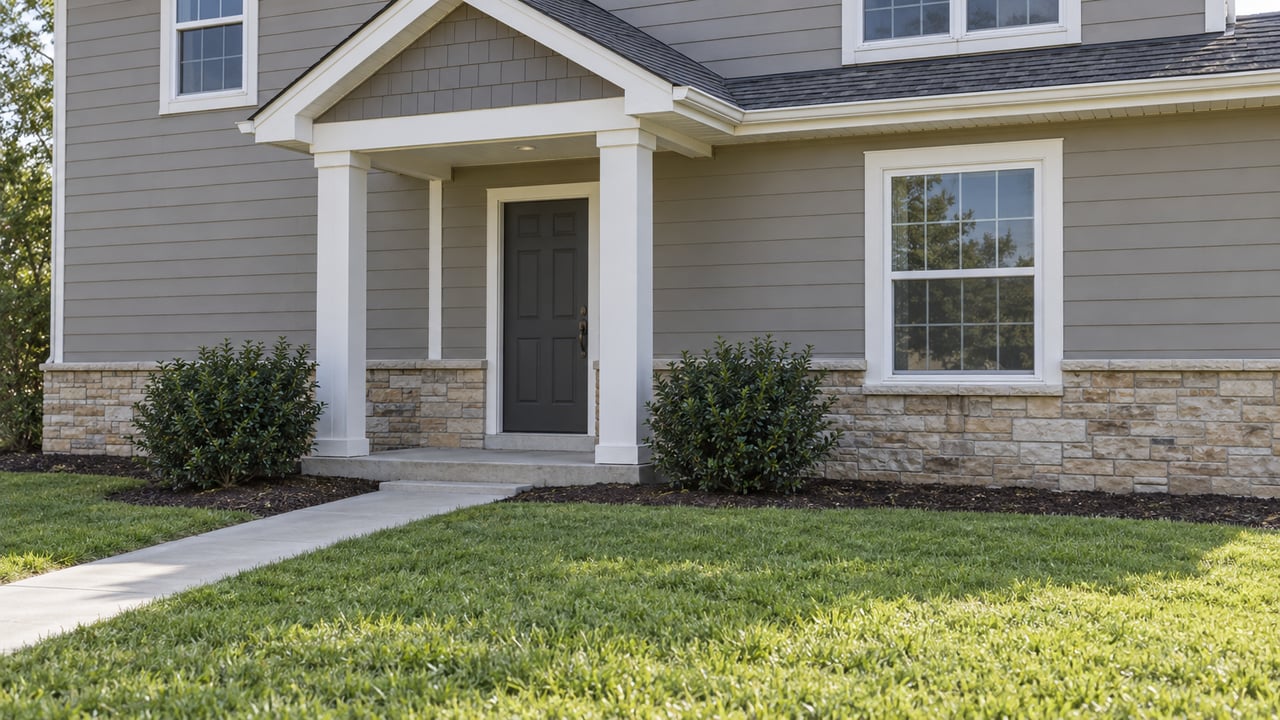
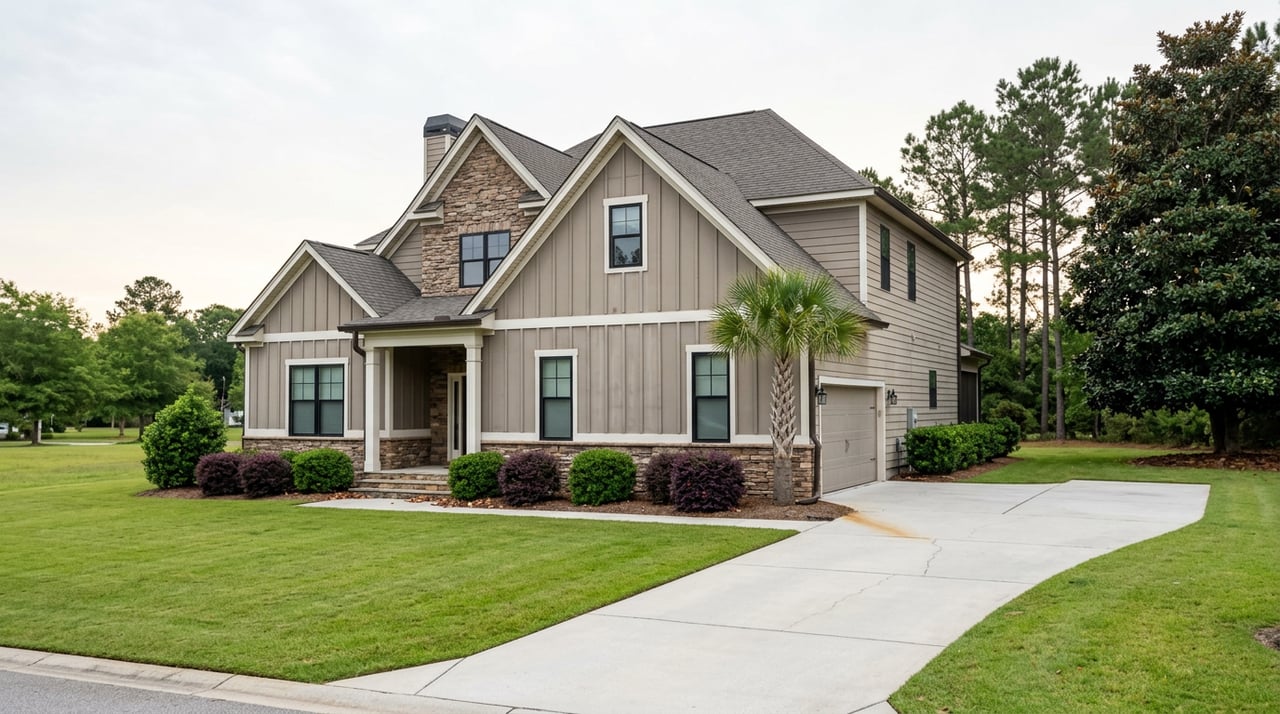
Most first‑time buyers shop for a 3‑bedroom, 2‑bath home between about 1,100 and 1,600 square feet on a modest lot. You will see a mix of one‑story ranch plans and compact two‑story layouts, often with a one‑ or two‑car garage and a fenced backyard.
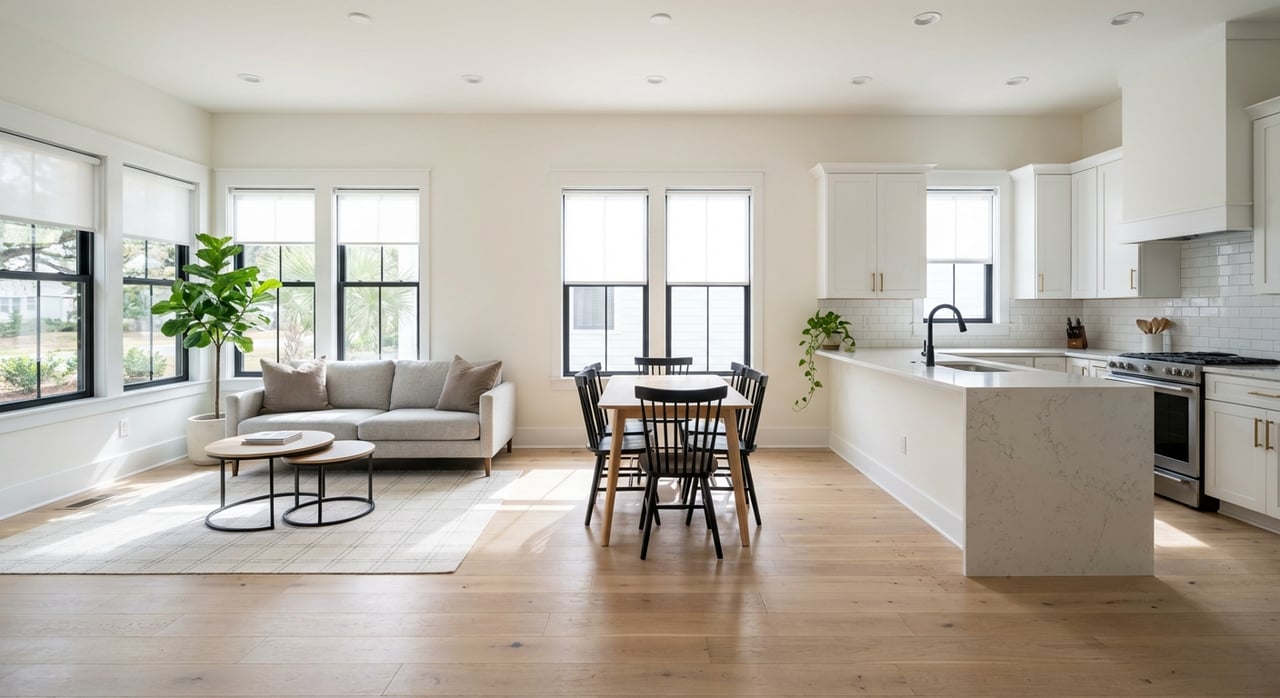
- Established resale neighborhoods: Older subdivisions and no‑HOA pockets tend to deliver the lowest list prices. These homes may need light updates, so budget for paint, flooring, or appliance refreshes if you want turnkey finishes.
- New construction communities: Builders have been active with cottage‑style 3‑bedroom plans priced for entry‑level buyers. The draw is a modern layout, energy‑efficient systems, and a builder warranty. Incentives like closing‑cost help can surface, which may lower your up‑front cash outlay.
- Amenity neighborhoods: Communities like Lost Plantation offer golf, pools, and community features. Homes in amenity neighborhoods often price at or above the city’s median. Review neighborhood details on the Lost Plantation site.
Cost and budgeting basics
Property taxes and homestead exemption
In Georgia, counties calculate property tax using assessed value and annual millage rates set by local authorities. A common framework uses 40 percent of fair market value as the taxable base, then multiplies by the millage rate to produce the bill. New owner‑occupants should file for homestead exemption to reduce taxes on a primary residence. Effingham County’s tax FAQ page explains process, timelines, and available exemptions. Millage rates and due dates can change each year, so verify details before you finalize your budget.
HOA fees versus no HOA
Monthly housing costs include more than principal, interest, taxes, and insurance. If a home sits in an HOA, you will also pay dues. Fees vary widely based on amenities. Check community documents and recent budgets, and balance the tradeoff: you may pay more each year in an amenity neighborhood yet gain pools, parks, or a golf course like the offerings at Lost Plantation. If you prefer to keep monthly costs lean, a no‑HOA resale may fit better.
Insurance and flood awareness
Coastal metros commonly include flood zones in low‑lying areas. Before you write an offer, run the property through FEMA resources to understand flood risk and potential insurance requirements. An overview of flood mapping and zones is available in this FEMA training resource. Your lender and insurance agent can help you estimate premiums based on the specific address, construction type, and coverage.
Financing help for first-time buyers
Many first‑time buyers in Georgia use down‑payment assistance with conventional, FHA, VA, or USDA loans. The Georgia Department of Community Affairs (DCA) administers Georgia Dream products through participating lenders. Income limits, credit guidelines, and purchase price caps apply and can vary by county. Start by speaking with a DCA‑participating lender and review program basics in the DCA Lender FAQs.
- USDA, FHA, and VA loans: Certain areas and buyers can qualify for loans with low or no down payment. Property location, buyer eligibility, and loan limits determine what fits. Ask your lender to check USDA property eligibility around Rincon and to compare total monthly costs across loan types.
- Builder incentives: If you are shopping new construction, compare any builder credits or rate buydowns to lender‑side programs. Sometimes a modest price difference favors the home with stronger incentives.
Smart search game plan
Use this checklist to make your first Rincon purchase simple and predictable.
- Get preapproved with a lender that offers Georgia DCA programs if you plan to use down‑payment assistance. See the DCA Lender FAQs for guidance.
- Confirm the school assignment for any address with Effingham County Schools. The district is evaluating attendance zones for 2026–2027.
- Check flood exposure on FEMA resources and talk with your insurance agent about premiums. Use this FEMA overview as a starting point.
- Review property taxes, filing windows, and homestead exemption on the county’s tax FAQ. Build taxes and HOA dues into your monthly budget.
- Compare homes with and without HOA amenities. Weigh dues against features like pools, playgrounds, or golf at places like Lost Plantation.
- Time your commute test drives around shift changes if you work near the Port, airport, or downtown. Use Travelmath’s drive‑time tool for a baseline.
Is Rincon right for you?
If you want a first home with a manageable payment, a yard for weekend projects, and a straight shot into Savannah job centers, Rincon deserves a close look. The combination of starter‑friendly prices, community parks and programs, and realistic commutes draws a lot of first‑time buyers. With the right prep, you can move from renting to owning with confidence.
When you are ready to take the next step, lean on a local guide who knows the neighborhoods, the incentives, and the paperwork from contract to close. Reach out to Robin Lance Realty for a tailored search, expert negotiation, and a smooth first purchase.
FAQs
What do starter homes in Rincon usually cost?
- Many 3‑bedroom, 2‑bath homes list under $300,000, with some resale options in the low to mid $200,000s depending on size and updates. Market numbers shift monthly.
How long is the commute from Rincon to downtown Savannah?
- Average travel time for Rincon residents is about 28 to 29 minutes, and estimates show roughly 25 to 31 minutes to downtown Savannah based on route and traffic.
Which schools serve Rincon addresses and how do I verify?
- Rincon Elementary, Ebenezer Middle, and Effingham County High or South Effingham High serve many addresses. Always confirm an address’s assignment with Effingham County Schools, especially with 2026–2027 redistricting activity.
What property tax rules should first-time owners know in Effingham County?
- Georgia commonly assesses at 40 percent of market value, then applies the millage rate. File for homestead exemption to reduce taxes on a primary home. See the county’s tax FAQ.
How do I check flood risk and insurance needs for a Rincon home?
- Review FEMA flood resources and discuss coverage with your insurance agent before you write an offer. Start with this FEMA overview.
What parks and amenities are available in Rincon?
- The city maintains parks like Macomber Ball Park, Veterans Park, and Patriot’s Park, and runs leagues and programs. Explore options on the City of Rincon Recreation page.