Thinking about a move to Richmond Hill in Bryan County and wondering how neighborhoods line up with the schools, commute, and daily life you want? You are not alone. Many relocating and move‑up buyers look here for newer homes, community amenities, and a straightforward drive to Savannah and nearby bases. In this guide, you will learn how to match Richmond Hill neighborhoods to school zones, understand lifestyle tradeoffs, and plan a smooth move with confidence. Let’s dive in.
Richmond Hill neighborhoods at a glance
Richmond Hill has grown around a mix of master‑planned subdivisions, gated communities, waterfront pockets, and older core areas near downtown. Each option offers a different balance of location, schools, and amenities. The right fit depends on your commute, budget, and how you like to live day to day.
Master‑planned subdivisions
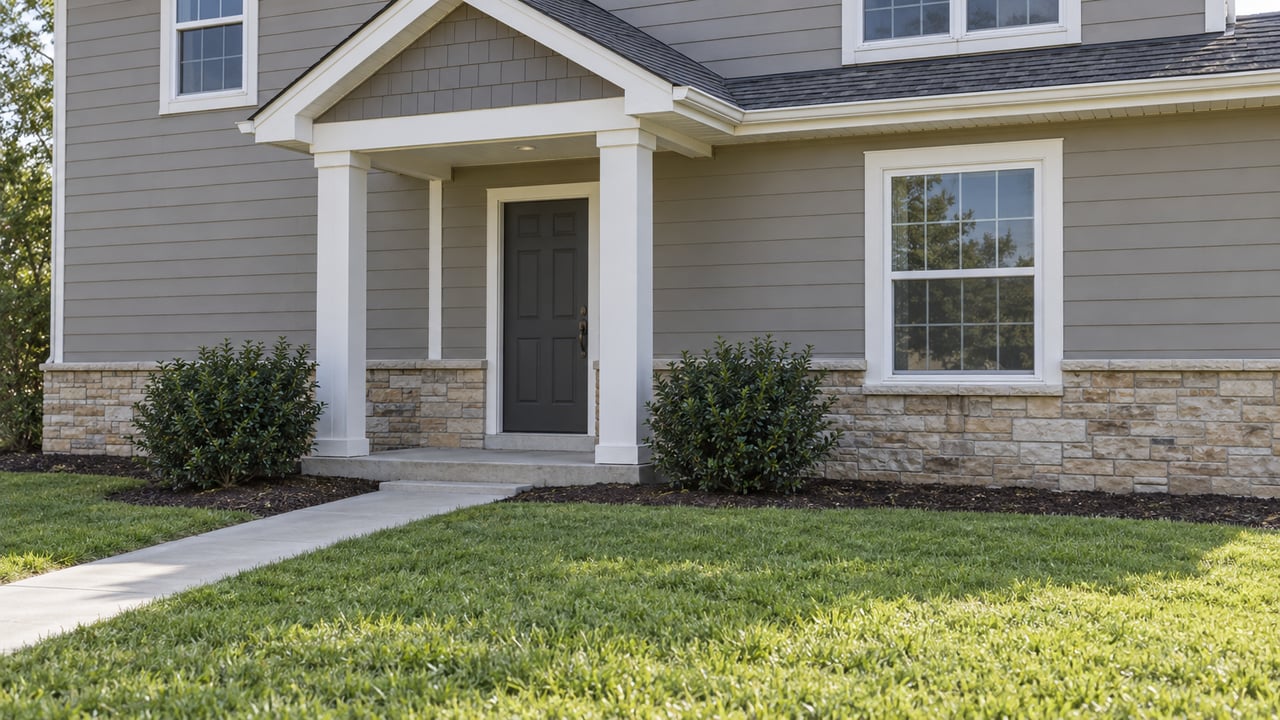
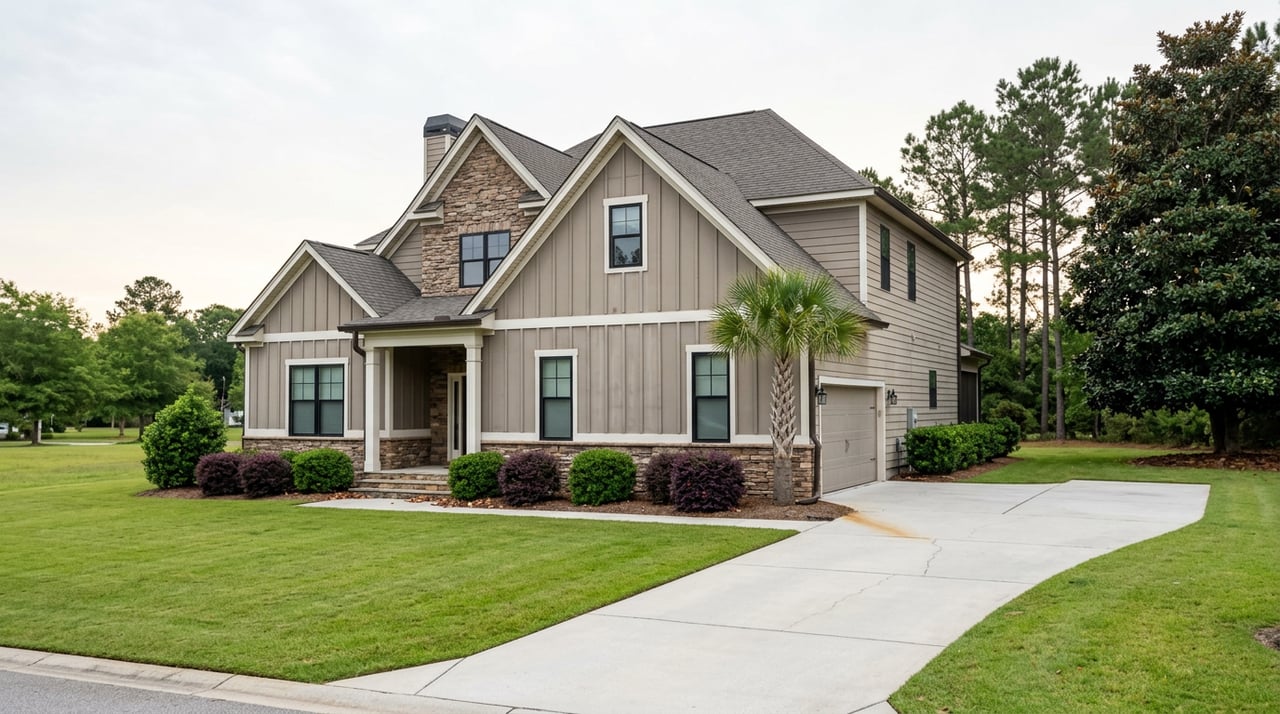
These communities are popular with buyers who want sidewalks, consistent architecture, and shared amenities like pools and playgrounds. Many were built near existing elementary and middle schools, and homes closest to campuses often command a premium. You will find mostly 3 to 5 bedroom single‑family homes on modest to mid‑sized lots. Inventory here makes up a large share of family housing in the city.
Gated golf and equestrian communities
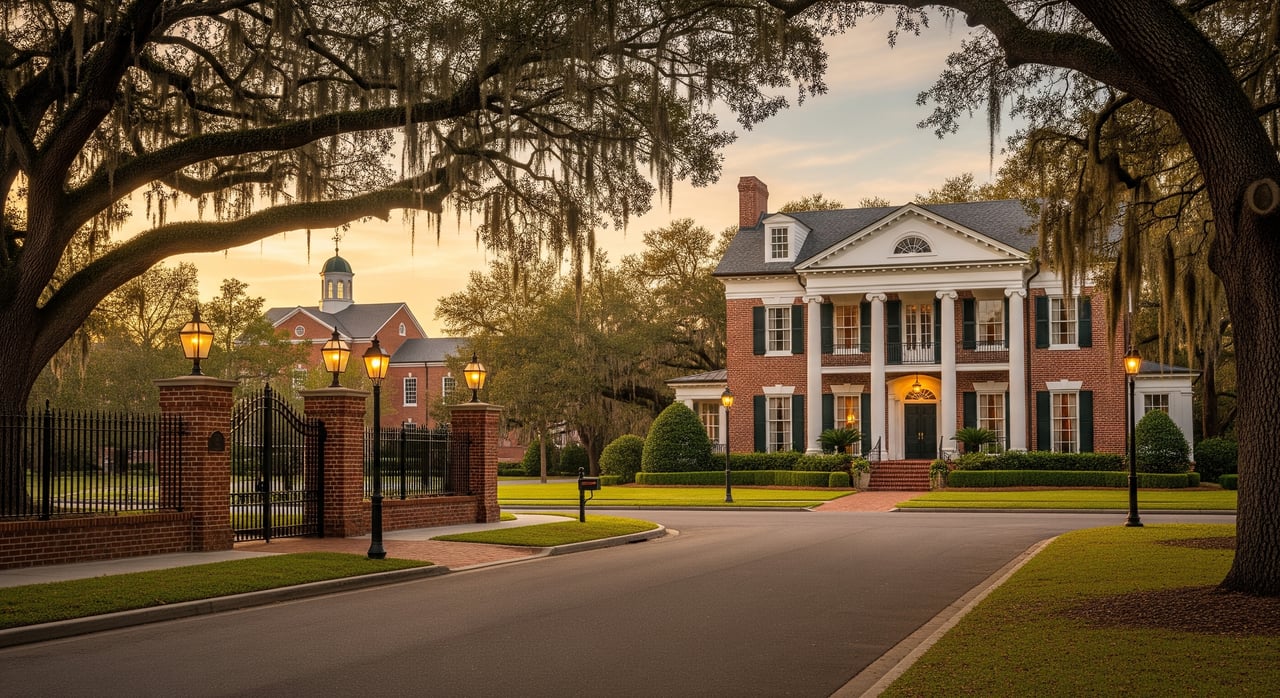
Gated options focus on privacy and lifestyle. Expect larger lots, golf or equestrian amenities, and higher HOA fees. These neighborhoods are usually a short drive to local schools rather than within walking distance. Buyers choose them for the setting and amenities as much as school zoning.
Waterfront and river‑adjacent living
Homes along the Ogeechee River and tidal creeks offer boat access and marsh views. Prices range from midrange to luxury depending on frontage and lot size. Some properties fall within FEMA flood zones, so insurance requirements and premiums can affect affordability and financing. School assignments vary by address, so verify zoning early in your search.
Older core and small‑lot areas
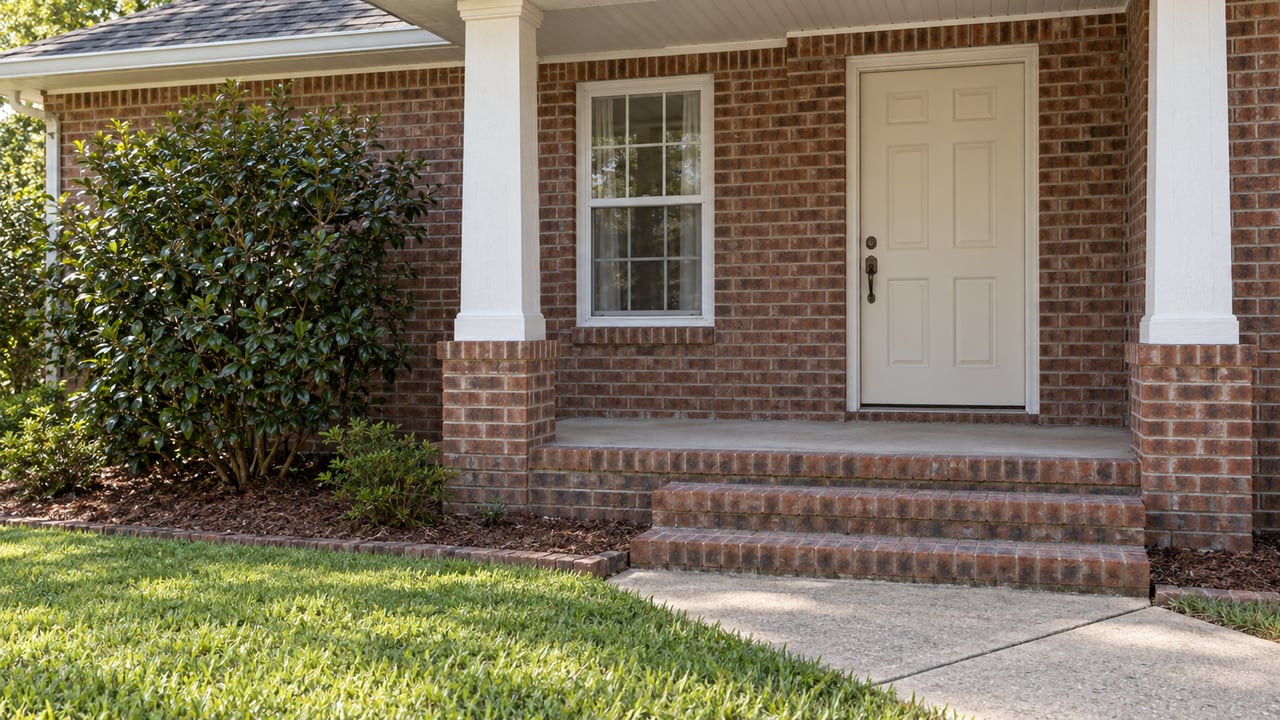
Closer to downtown Richmond Hill you will see earlier‑era neighborhoods with smaller lots and many single‑story homes. These areas can offer a lower entry price for a detached home within city limits. Amenities are more limited than in master‑planned communities, but you may be close to local schools and parks.
New construction communities
Ongoing growth brings brand‑new subdivisions with modern floor plans and builder warranties. New schools are sometimes added to serve growth, and zoning can change as capacity shifts. If you buy new construction, verify the assigned schools at contract time and ask about any announced rezonings.
Schools and feeder patterns
District overview
Richmond Hill is served by Bryan County Schools, which operates the public K–12 system for the area. Most city addresses follow a progression from the assigned elementary school to middle school, then to the zoned high school within the Richmond Hill feeder pattern. Always confirm the current assignment with the district, since boundaries and capacity can change. Start with the Bryan County Schools district site for school directories and boundary resources.
Schools to check when you shop
When you identify an address, look up the zoned elementary, middle, and high schools in the Richmond Hill area. Some addresses in Bryan County may be assigned to different schools outside city limits. If you are relocating on a military timeline, ask about address verification and any temporary assignment policies that apply to transfers.
How to verify zones and performance
Use official and well‑known sources to understand assignments and outcomes. For boundary maps and district updates, begin with Bryan County Schools. Review state‑reported performance and CCRPI data through the Georgia Department of Education. For additional community context and parent feedback, you can consult GreatSchools and Niche. Cross‑check what you read so you are working from the most current information.
How schools shape prices and timing
Homes inside sought‑after attendance areas, and especially those near elementary or middle schools, often sell faster and at a premium compared to similar homes farther away. Premiums vary by year and neighborhood. If you are considering a new subdivision, understand that rapid growth can trigger boundary adjustments. The safest approach is to verify a property’s current assignment directly with the district and request documentation from the seller when you write an offer.
Commute, routes, and daily convenience
Most Richmond Hill residents commute by car. The main corridors are US‑17 and GA‑144 for local travel, plus I‑95 for north‑south access and I‑16 for trips toward Savannah and inland. Drive times vary by neighborhood and time of day, so check your typical morning and evening windows before you commit. For broader transportation and project updates, the Georgia Department of Transportation is a helpful reference.
On the weekends, many buyers value proximity to parks, youth sports, and the water. City parks, athletic fields, and community spaces are expanding with the area’s growth. Explore programs and facilities through the City of Richmond Hill to see what is near your short list of homes.
Due diligence that protects your purchase
A few practical checks can save time and money.
- Verify school zoning and any announced boundary changes through Bryan County Schools.
- Check flood risk using the FEMA Flood Map Service Center. Insurance requirements can affect your monthly budget and loan options.
- Review HOA covenants, design standards, and budgets before you offer. Amenities add value, but fees and rules matter.
- Drive your commute during peak hours and try different routes along US‑17, GA‑144, I‑95, and I‑16.
- If buying new construction, confirm the builder’s timeline, warranty coverage, and planned phases that could affect traffic or school capacity later.
Choosing your best‑fit neighborhood
Start with a short list of must‑haves: commute, school preferences, price range, and lifestyle amenities. Then narrow to neighborhood types that match your goals. For example, pick master‑planned subdivisions if you want shared amenities close to schools, or waterfront corridors if boating access is your priority and you are comfortable evaluating flood insurance. As you compare options, keep a close eye on school zones, HOA details, and carry costs like insurance and utilities.
If you want guidance that blends local school context with on‑the‑ground neighborhood insight, our team is here to help. With decades of experience in Richmond Hill and the Savannah metro, we can line up targeted tours, confirm school assignments, and flag flood and HOA considerations early so you can buy with clarity. When you are ready, connect with Robin Lance Realty for a locally grounded plan that fits your move.
FAQs
Which Richmond Hill neighborhoods feed into the zoned high school?
- Use the address lookup and boundary resources from Bryan County Schools to confirm the current high school assignment for each property.
How can I verify if a home is within walking distance of a specific elementary school?
- Check the assigned school through the district, then map the distance and walkability, and remember that being nearby does not guarantee bus service or crossing support.
Are there starter homes or townhomes in Richmond Hill?
- Yes, you can find smaller or earlier‑era single‑family homes near the city core and some townhome options in planned developments depending on current inventory.
What should I know about HOA fees in gated or amenity‑rich communities?
- Fees vary by community and amenities, so review the HOA budget, reserve funding, and covenants to understand monthly and annual costs before you offer.
Do some Richmond Hill neighborhoods require flood insurance?
- If a property lies in a designated flood zone, your lender may require coverage, so check the FEMA Flood Map Service Center for the exact parcel.
How long is the typical commute to downtown Savannah or Hunter Army Airfield?
- Drive times depend on your neighborhood and time of day, so test your route along US‑17, GA‑144, I‑95, and I‑16 during peak hours to set expectations.
Where can I see official school performance data for Richmond Hill?
- Review state‑reported metrics and CCRPI information through the Georgia Department of Education, and cross‑check with GreatSchools and Niche for community context.