Thinking about a move to Savannah but not sure how it really feels day to day? You want charm, coastline, and culture without giving up convenience. In this guide, you’ll get a clear picture of neighborhoods, commutes, lifestyle, weather, and practical things like insurance and schools, so you can decide if Savannah fits your life. Let’s dive in.
Savannah at a glance
Savannah is the historic heart of Chatham County, with a city population near 147,780 and a county population around 295,000 based on the 2020 Census. The economy is diverse and resilient. The Port of Savannah drives logistics and distribution jobs, while aviation and aerospace manufacturing, led by Gulfstream, add high-skill roles. Healthcare and education are major pillars, with large hospital systems and local universities, and tourism remains a steady contributor thanks to the city’s history, arts, and coastal access.
Neighborhoods and homes
Savannah is a city of distinct pockets. Each area offers different home styles, price points, and lifestyles. Here is a quick tour to help you narrow your search.
Historic District
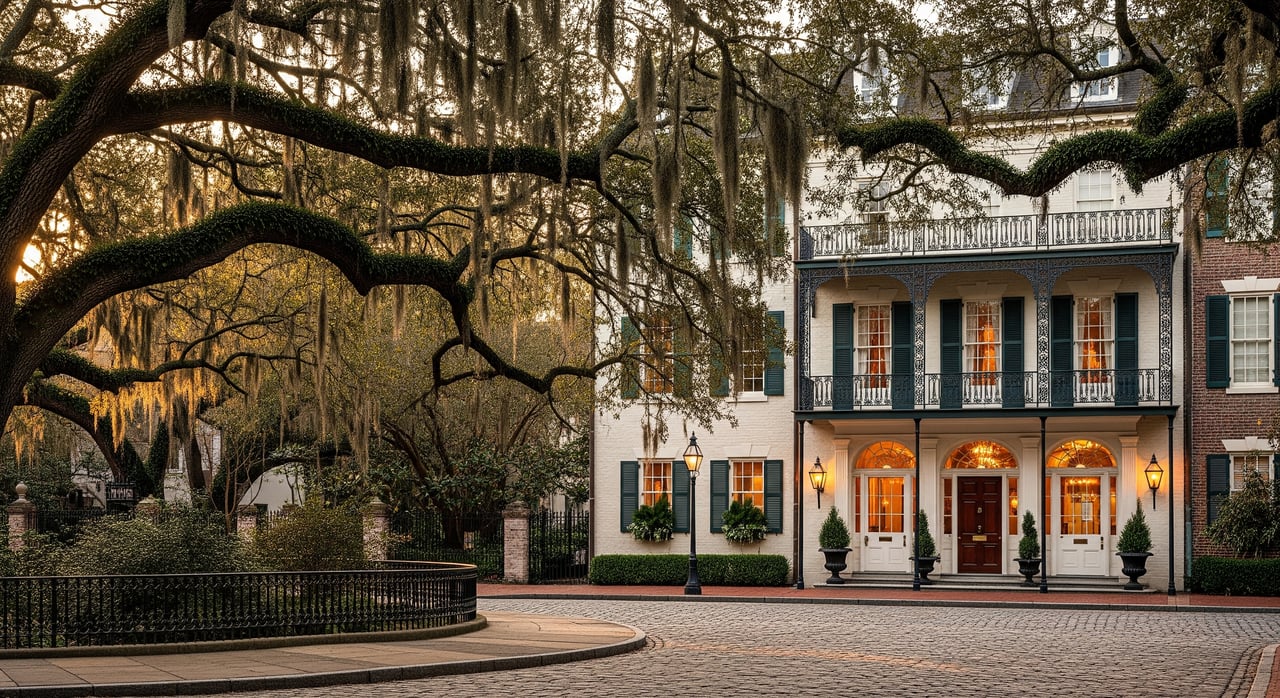
You get brick-lined streets, oak-shaded squares, and a mix of galleries, restaurants, and museums. Homes include restored rowhouses, grand historic properties, and condos in converted buildings. It is highly walkable and close to nightlife and cultural events. Inventory is tighter here, and historic rules can shape exterior changes.
Midtown, Ardsley Park, Victorian District, Thomas Square
These in-town neighborhoods offer a classic residential feel with sidewalks, mature trees, and parks. You will find bungalows, Craftsman homes, and Victorian-era houses with modest yards. They appeal to buyers who want neighborhood charm and proximity to downtown without living in the tourism core.
Islands and Tybee
Wilmington Island, Whitemarsh Island, and Isle of Hope offer marsh views, boating culture, and a relaxed pace, while Tybee Island is the local beach destination. Expect beach cottages, raised coastal homes, and a mix of mid-century and newer builds. Flood zones and elevation matter here, so plan for due diligence on insurance and storm resilience.
Southside, East Savannah, and Garden District
If you value space and convenience to retail and medical centers, these areas are worth a look. Many homes are ranch-style or in newer suburban subdivisions, with multifamily options as well. These neighborhoods tend to be more car-oriented and can deliver more interior square footage for the price.
Suburban growth: Pooler, Richmond Hill, Bloomingdale
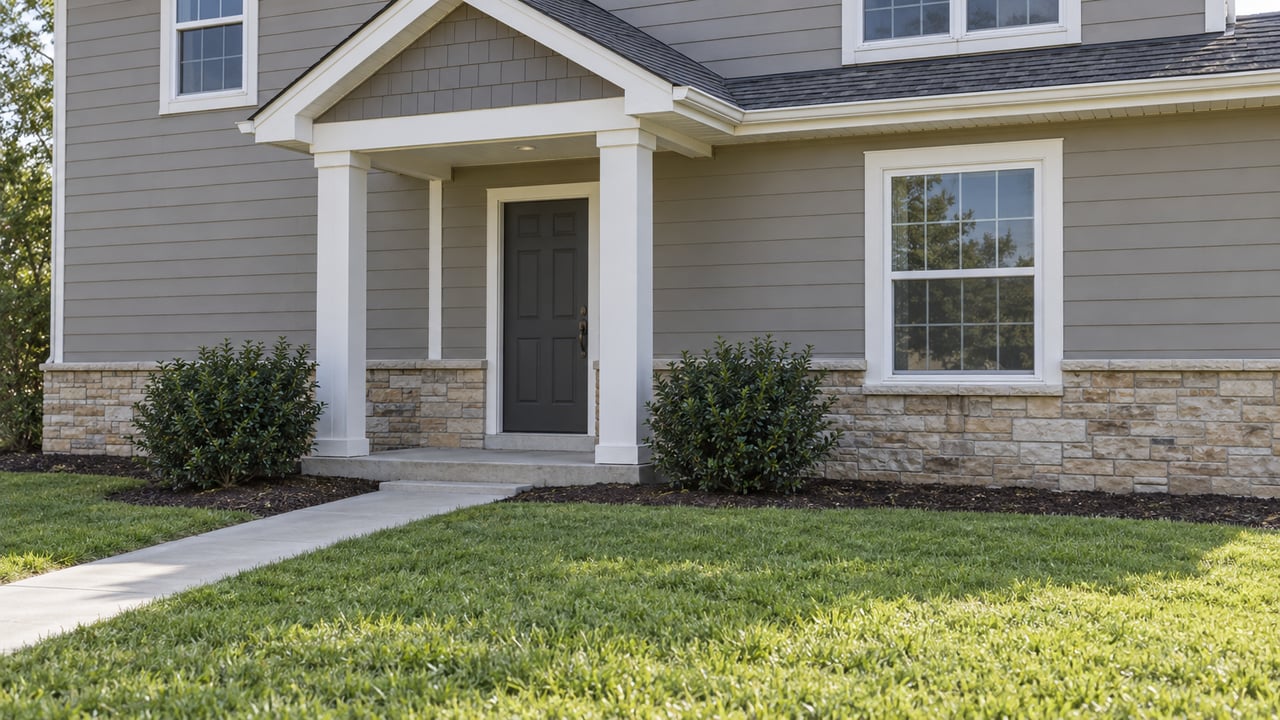
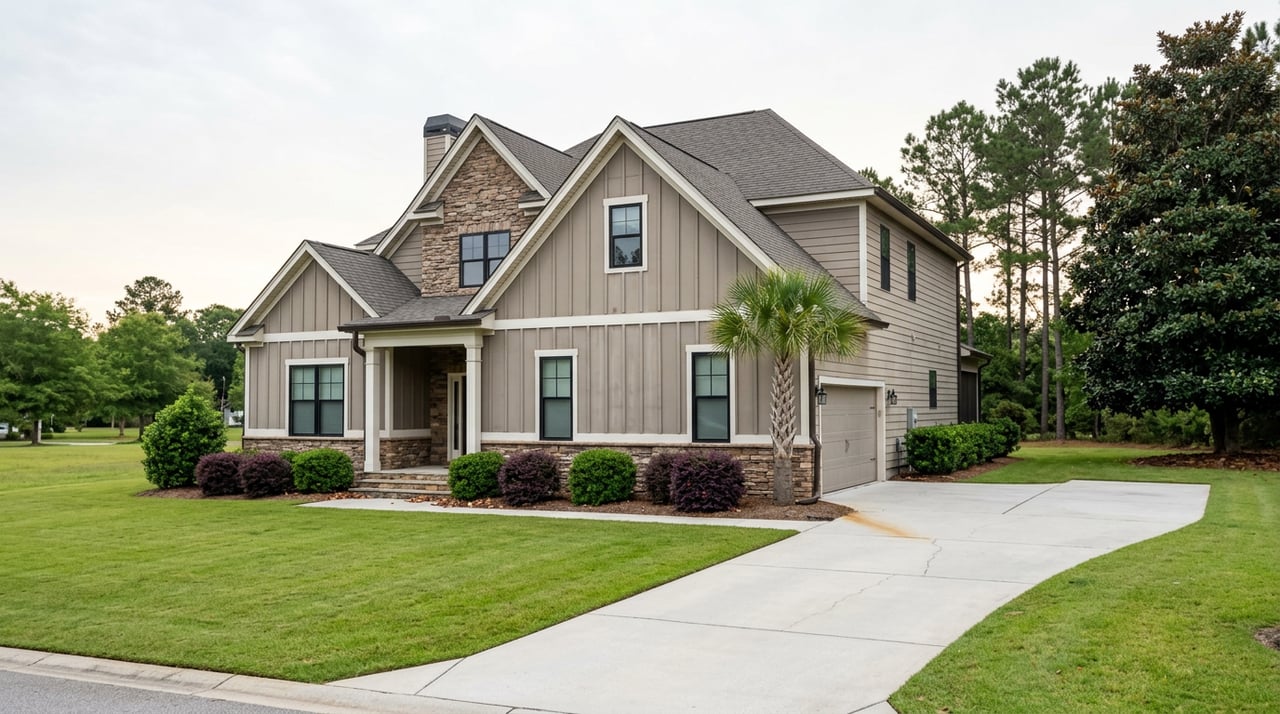
These fast-growing communities offer new construction, townhomes, and planned neighborhoods with community amenities. Many buyers choose them for modern builds, relative affordability, and commuter access to the city and the port. They are popular with families and buyers who value newer homes and extra space.
Common home styles
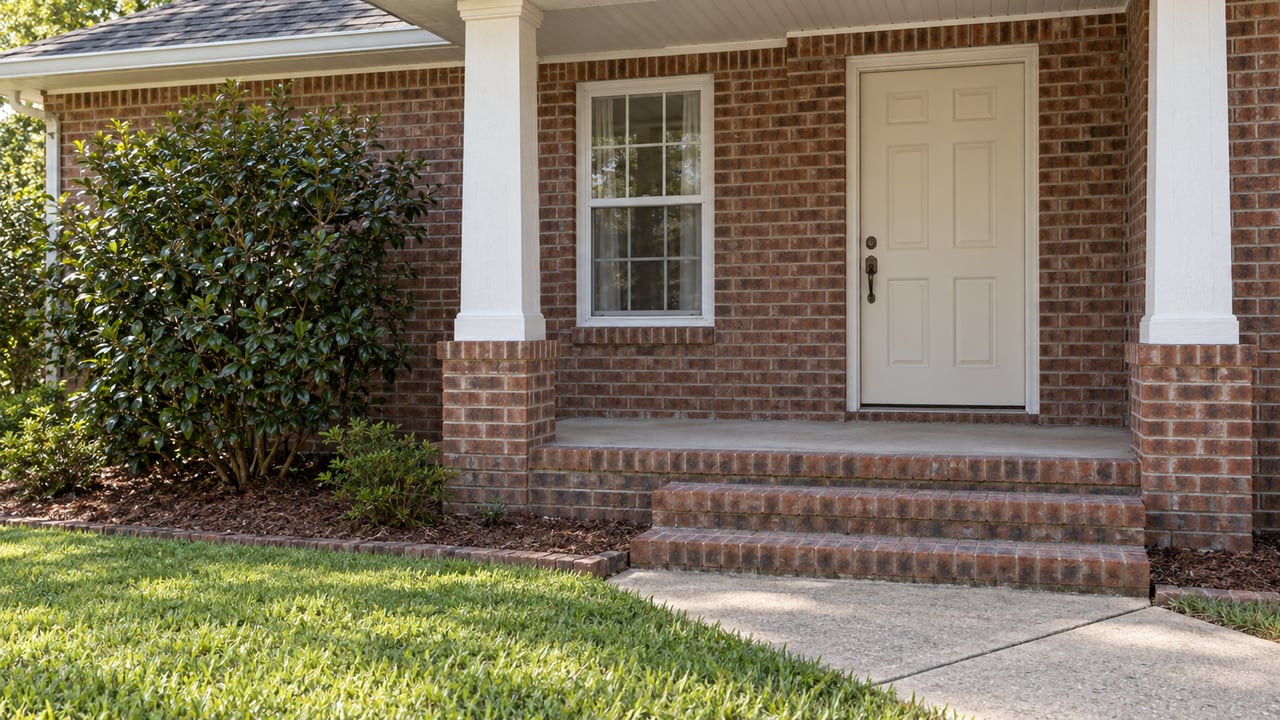
Across the metro you will see historic rowhomes and mansions downtown, early-20th-century bungalows and Craftsman houses in older neighborhoods, classic ranch homes from postwar growth, new construction in suburbs, and elevated coastal homes on the islands. Your best fit depends on the tradeoff you prefer: walkability and character vs. space and price.
Getting around and daily life
Savannah blends a walkable core with car-friendly suburbs. Many residents drive to work, and commute times vary by where you live and where you work. Major roads include I-16 to Macon and Atlanta, I-95 for north-south travel, and U.S. 17 and U.S. 80 for regional connections. Traffic can be heavier near the port and major shopping corridors during peak hours.
Chatham Area Transit provides bus service in the city and county, with stronger coverage in central areas and along main corridors. There is also a downtown circulator and paratransit services. Amtrak connects Savannah to long-distance east coast routes, and the Savannah/Hilton Head International Airport makes regional and national travel convenient.
Walkability is excellent in the Historic District and parts of Midtown. Many residents park in garages or use metered streets downtown, and some blocks use permit parking. In suburban neighborhoods, garages and driveways are the norm.
Lifestyle and climate
Savannah’s climate is humid subtropical. Summers are hot and humid, and winters are usually mild with rare snow. The region faces seasonal risks from tropical storms and hurricanes, and some areas experience tidal flooding. Elevation and flood zones should be part of your planning in coastal and low-lying neighborhoods.
If you love the outdoors, you will use Forsyth Park and the city’s 22-plus historic squares often. The riverfront, nearby marshes, and the beach at Tybee Island offer boating, fishing, kayaking, and quick beach days. Golf, local trails, and greenspace projects add options for active time outside.
Savannah’s arts and food scenes are rich and accessible. SCAD fuels galleries, exhibitions, and creative events, while restaurants highlight lowcountry and Southern cuisine with strong seafood options. Major events include one of the nation’s largest St. Patrick’s Day celebrations, the Savannah Music Festival, and many seasonal cultural and food festivals throughout the year.
Healthcare access is strong for a metro this size, with large hospital systems and specialty care available in and around the city.
Costs, insurance, schools, and safety
Georgia’s overall cost of living tends to sit at or below the national average. In Savannah, housing remains more attainable than many coastal cities, though prices have risen in popular neighborhoods and on the islands. Inventory and pricing vary widely by area, so lean on current, neighborhood-level data when you are ready to make offers.
Flood and wind risk are part of coastal life. Many buyers will need flood insurance based on FEMA flood zones, and elevation certificates and inspection reports are key for homes near marshes and waterways. In the Historic District, preservation rules shape exterior changes and design choices. The city also regulates short-term rentals, so check current rules if you plan to invest or if you are buying near popular visitor corridors.
School options include the Savannah–Chatham County Public School System, charter choices, and private schools. School quality and boundaries vary by attendance zone. If schools are a priority, review boundary maps and performance data before you choose a neighborhood.
Crime can vary by neighborhood and even by block. Use local police data and crime maps when you are comparing areas, and visit at different times of day to get a feel for street activity and lighting.
A simple relocation checklist
- Tour your top neighborhoods at different times of day and on weekends.
- Test your commute to work, base, or school during peak hours.
- Check FEMA flood maps, elevation certificates, and insurance needs for any property near the coast, river, or marsh.
- Review historic-district guidelines if you plan to renovate a home in a protected area.
- Confirm short-term rental rules if you are considering an investment property.
- Verify school attendance zones and compare options if you have children.
- Ask for neighborhood-level pricing trends before you set your budget.
How Robin Lance Realty helps
You deserve local guidance that fits your goals and timeline. Our boutique team knows Savannah’s micro-markets, from in-town historic streets to fast-growing suburbs and the islands. We help you weigh tradeoffs like walkability vs. space, beach access vs. flood risk, and tourism energy vs. neighborhood quiet.
Our services include buyer representation and residential listings, rental placement and property management, and specialized support for short sales and REO/BPO work. We coordinate showings, valuations, inspections, negotiations, and contract-to-close logistics so your move feels manageable and on schedule. When you are ready to explore Savannah, connect with Robin Lance for trusted, hands-on guidance.
FAQs
Is Savannah walkable for everyday life?
- The Historic District and nearby in-town neighborhoods are highly walkable, while most suburbs are designed for driving.
How far is Tybee Island from downtown Savannah?
- Tybee Island is about a 20 to 30 minute drive from downtown depending on traffic and time of day.
What is the job market like in Savannah, GA?
- Port and logistics, aviation and manufacturing, healthcare, education, and tourism make up a diverse employment base.
Do I need flood insurance to buy a home in Savannah?
- Many coastal and low-lying homes require it, and lenders may mandate coverage based on FEMA flood zones and elevation.
How is public transit in Chatham County?
- Chatham Area Transit runs fixed-route buses, a downtown circulator, and paratransit with stronger coverage in central areas.
What are typical commutes like from Pooler or Richmond Hill?
- Many residents drive, and commutes vary by workplace location, with peak slowdowns near port, industrial, and retail corridors.
Are there rules for renovating in Savannah’s Historic District?
- Yes, exterior changes in protected areas usually require review by local historic boards, so plan for approvals and timelines.
Is Savannah prone to hurricanes and tropical storms?
- Yes, coastal Georgia faces seasonal storm and surge risks, so include evacuation planning and insurance in your move prep.